
Free Worldwide Shipping
August Limited Time Offer
Available for items over 50,000 JPY.
Remaining: 1 day 16 hr 50 min
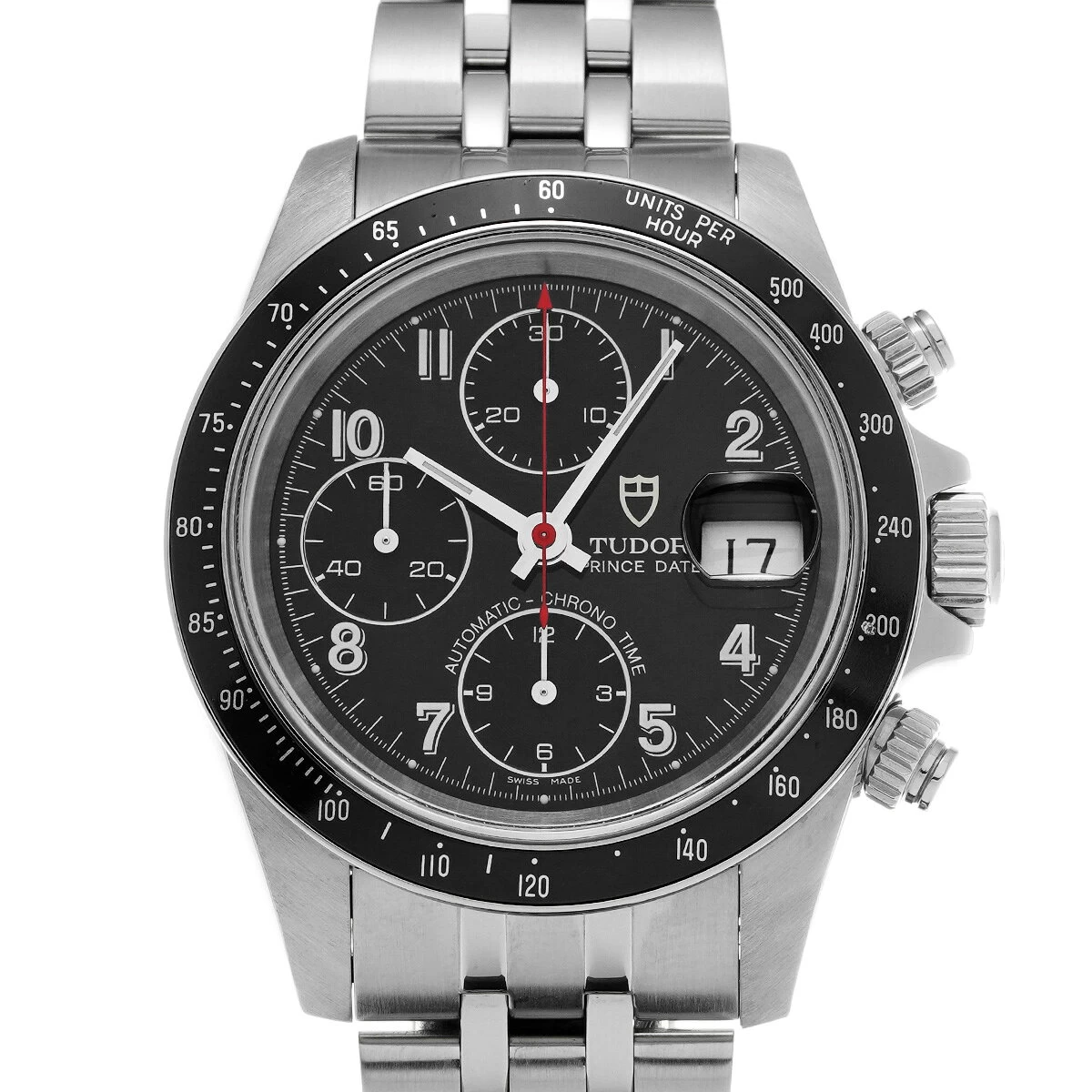
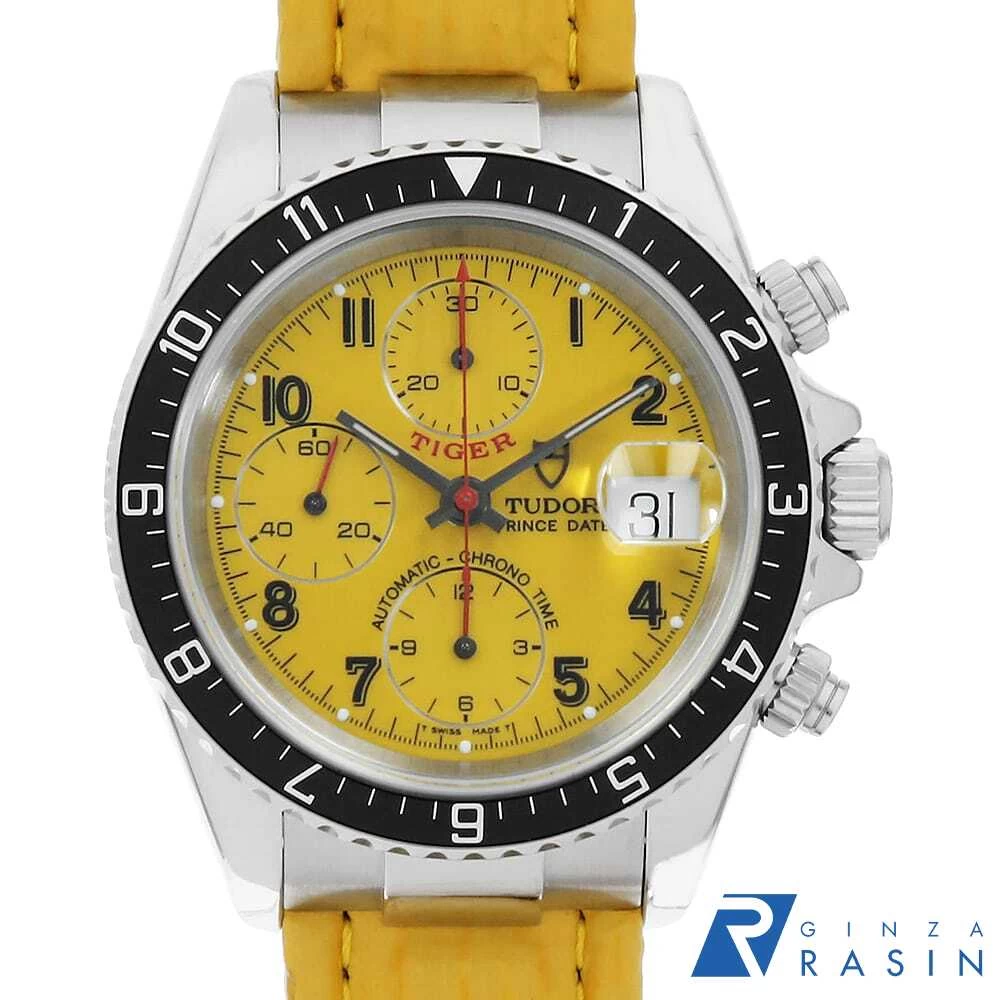
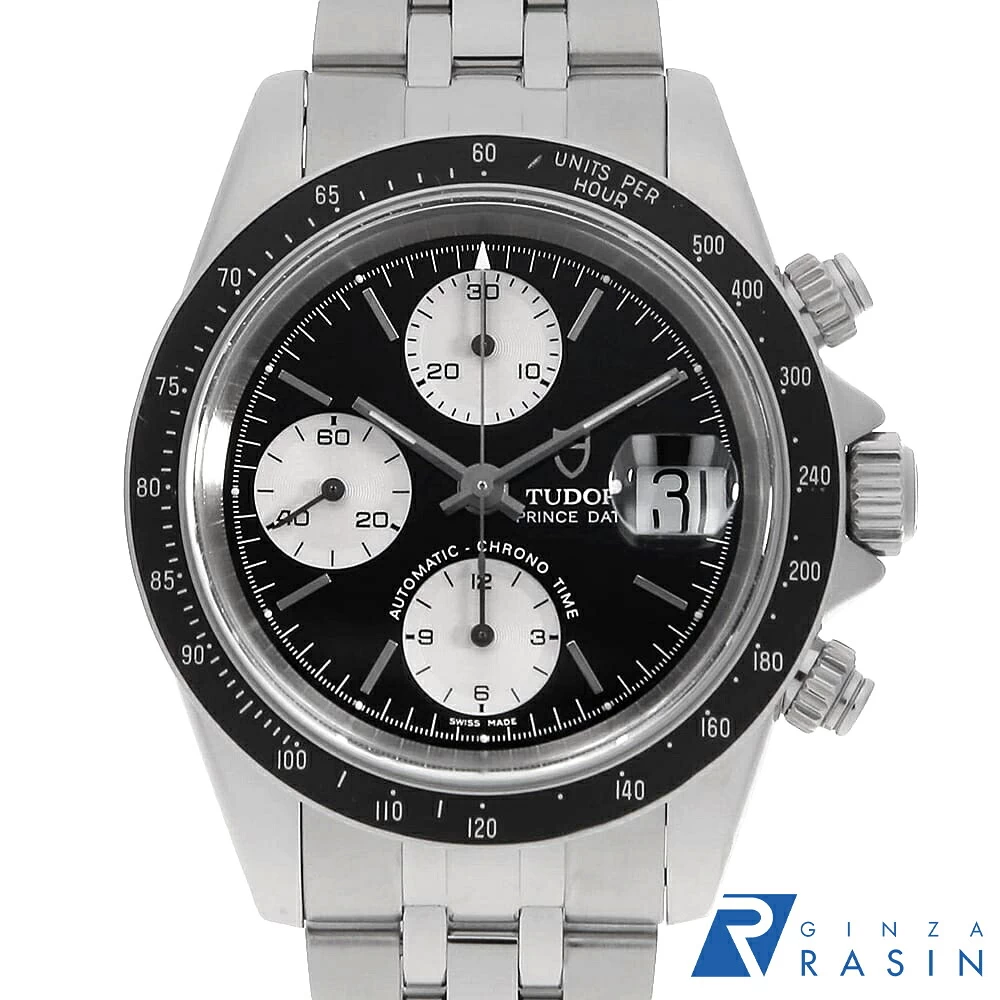
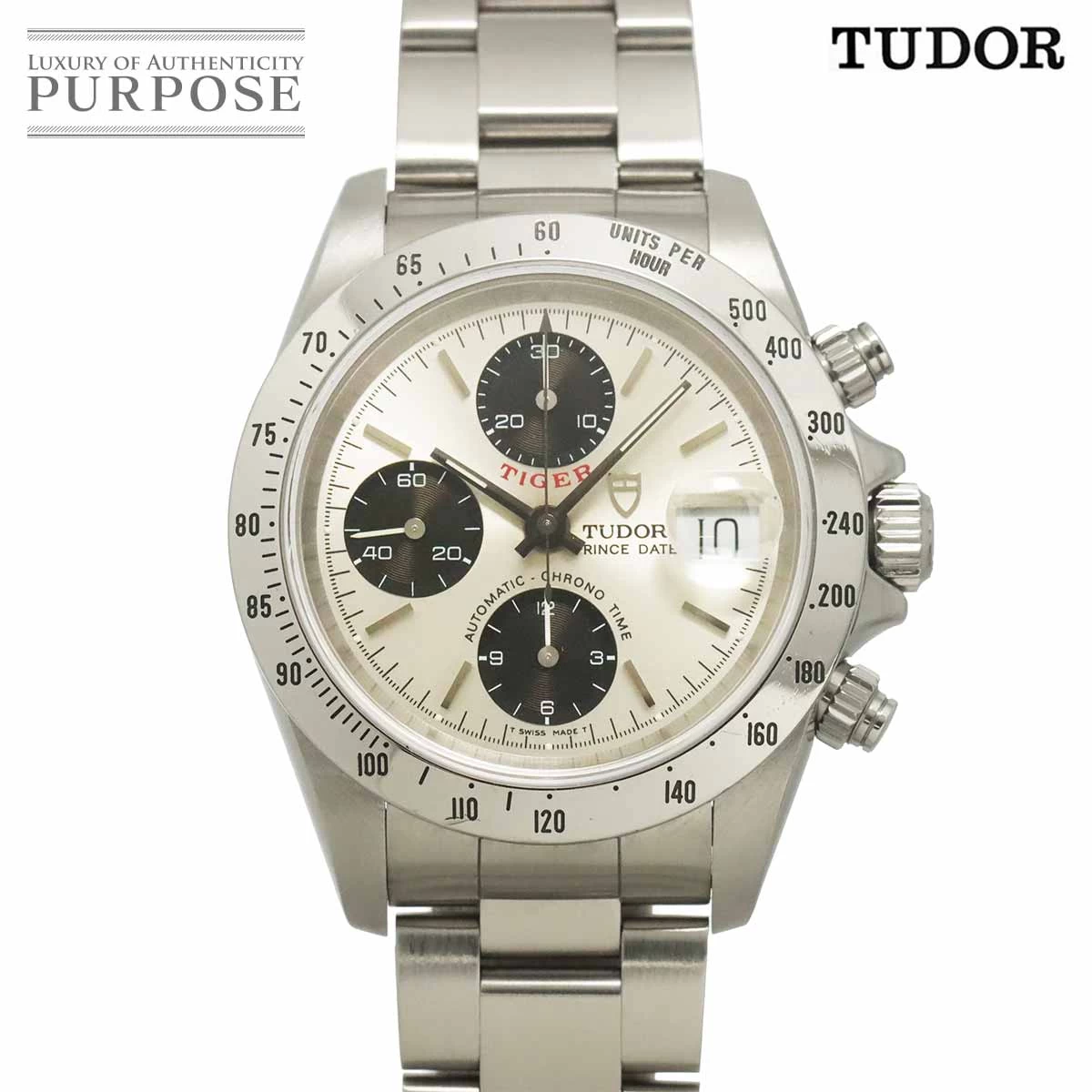
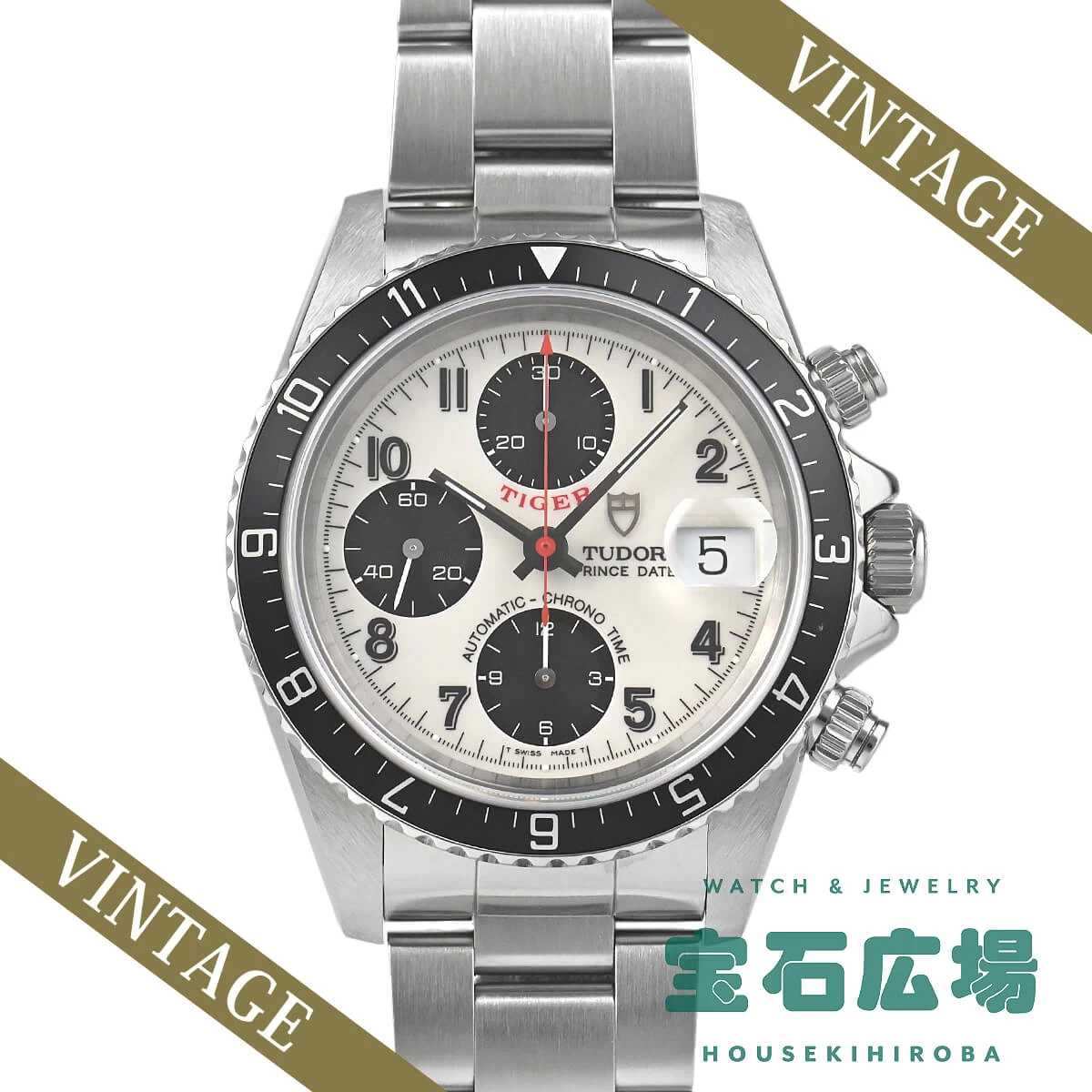
Used & Pre-owned Tudor Chrono Time under $19000
Total 44 1 ~ 40



Is the spelling correct?
Please change the conditions and search again
Please change the conditions and search again
Total 44 1 ~ 40
Tudor Chrono Time's Popular References
Tudor Chrono Time's Price Ranges
Tudor Chrono Time's Dial Color
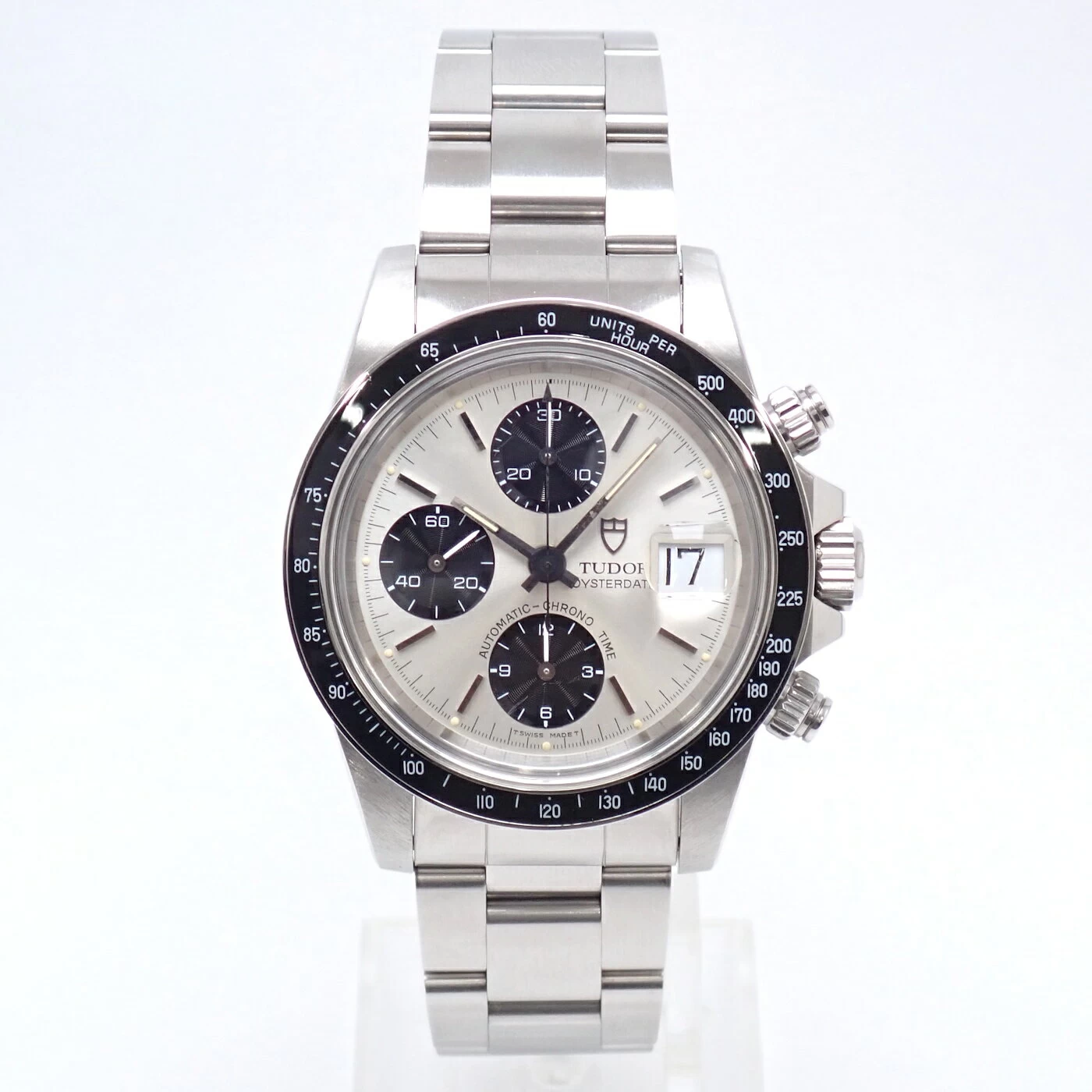
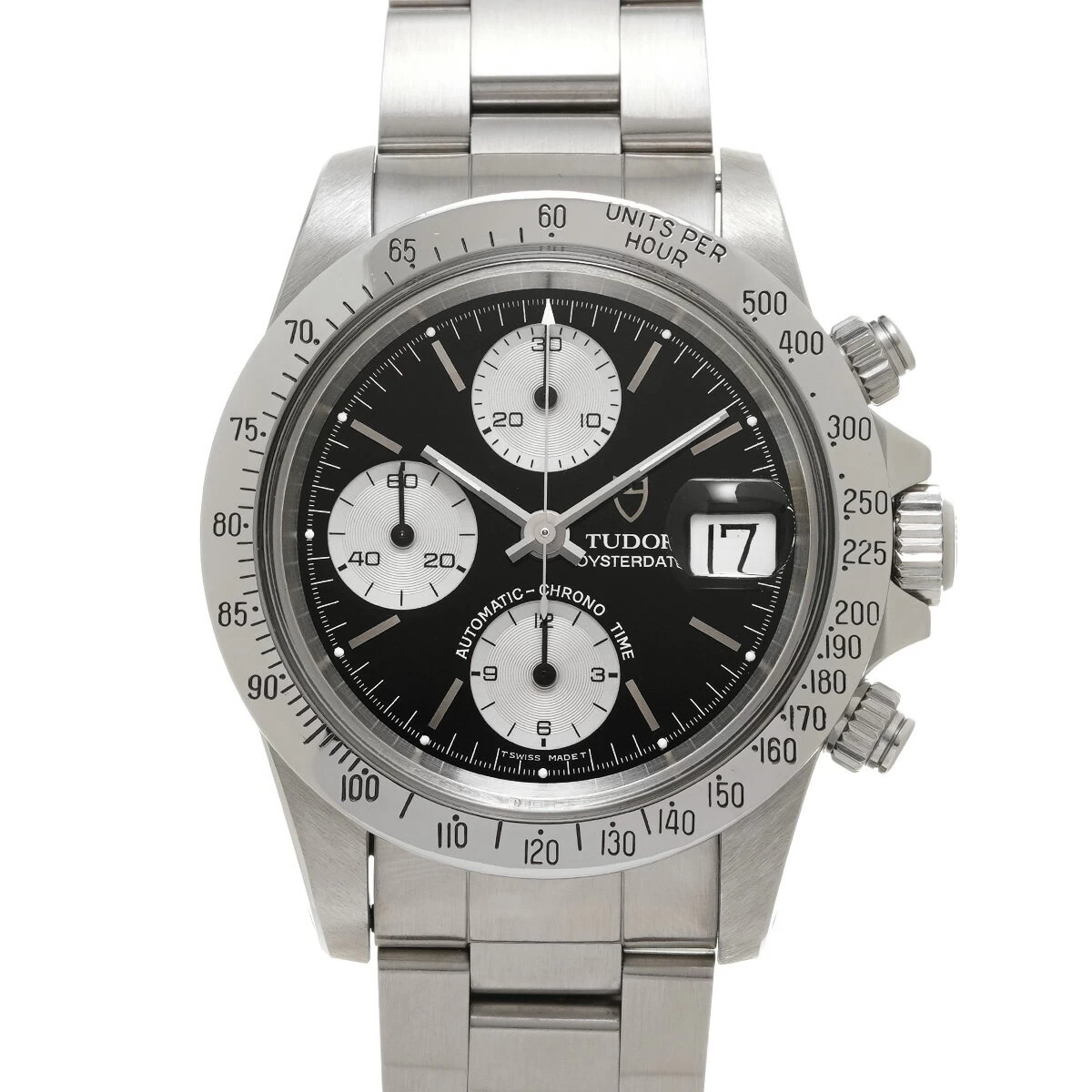
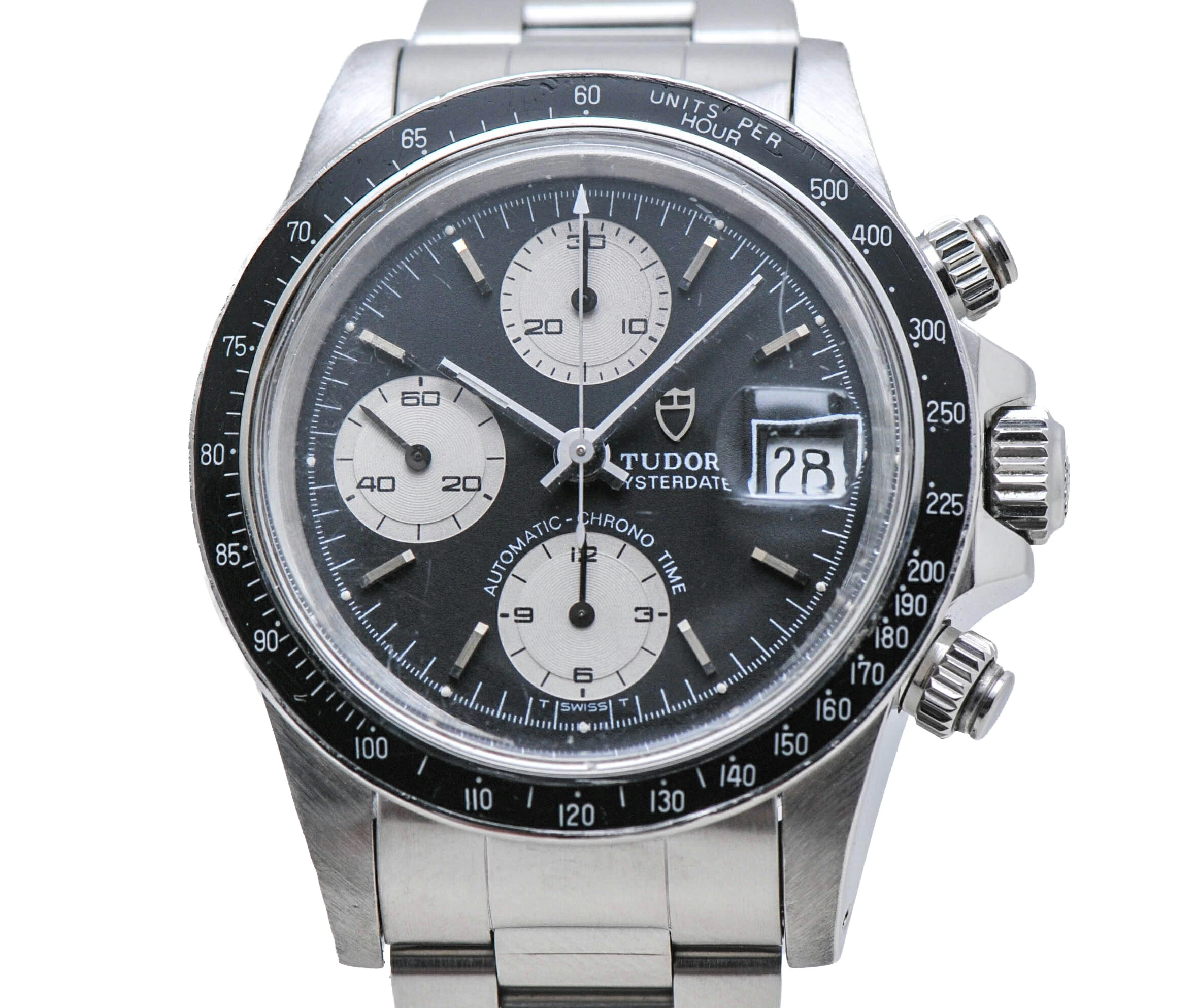
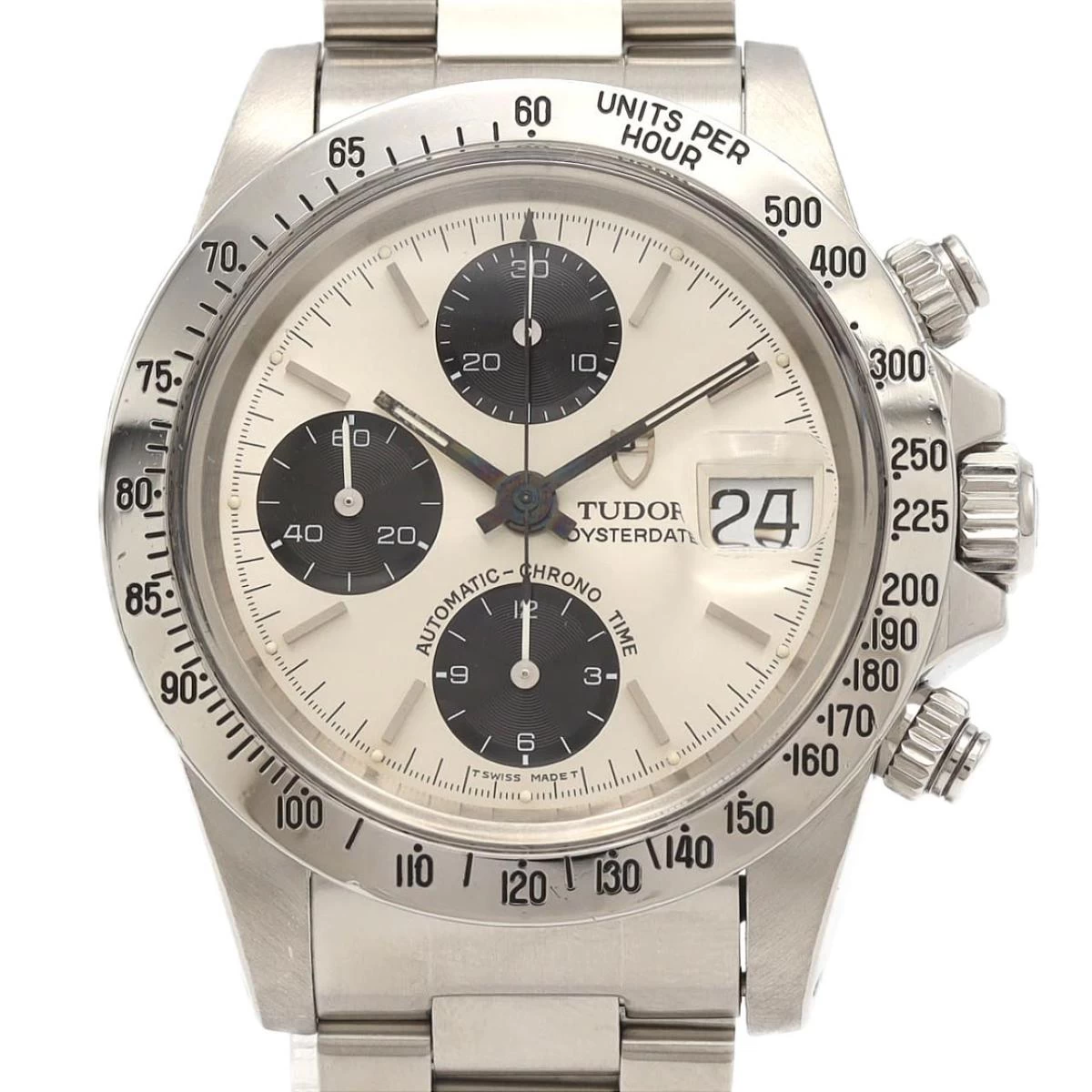
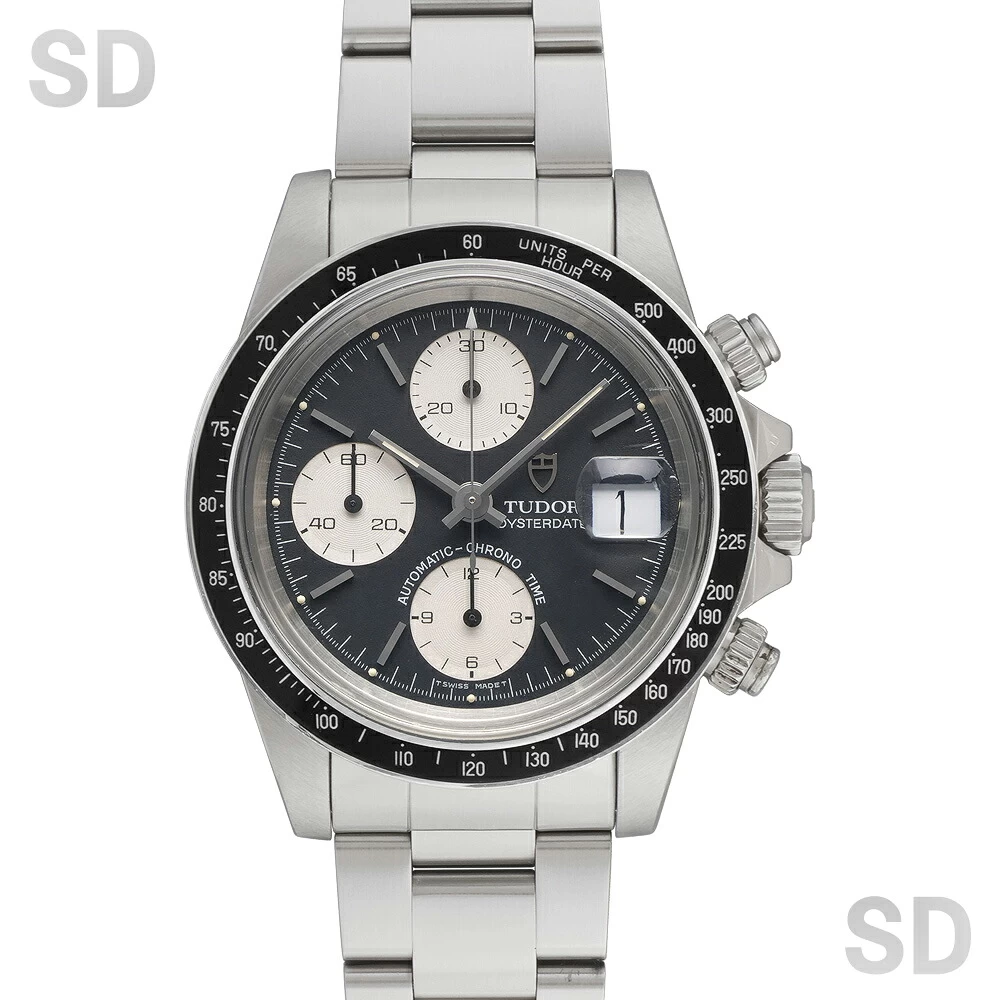
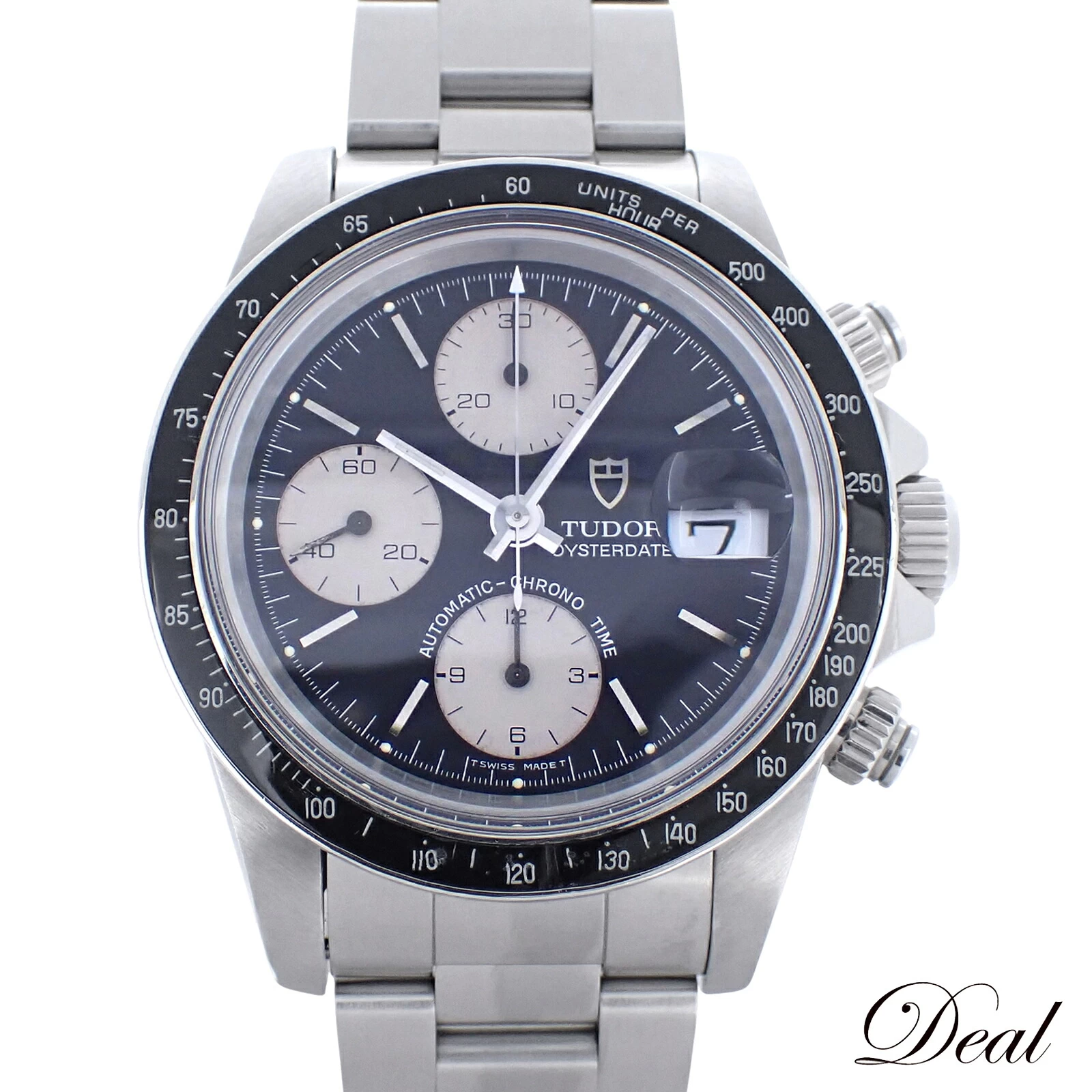
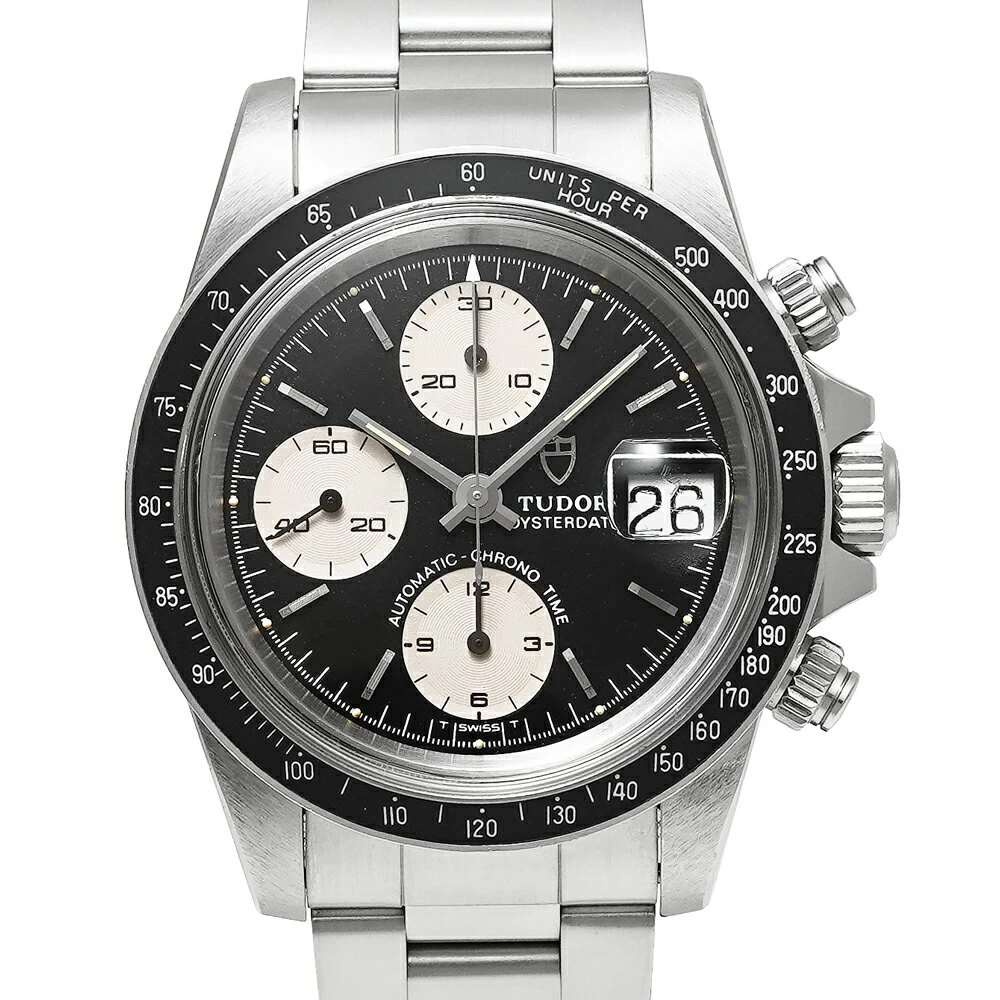
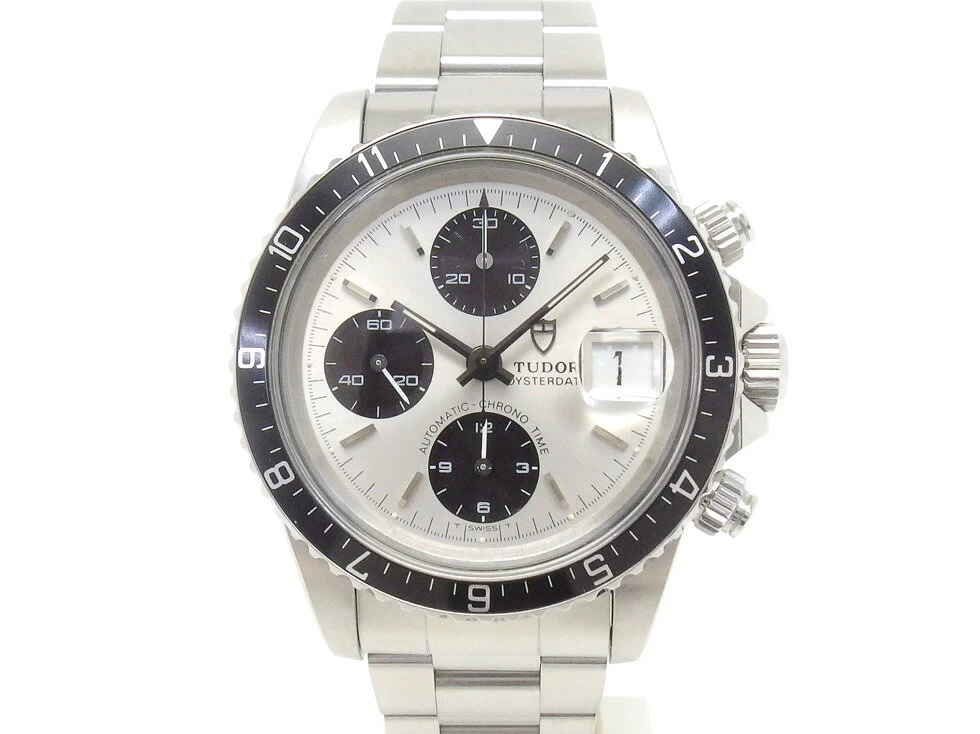
The "Big Block". A pioneer of the automatic chronograph.
The TUDOR Chronotime was introduced in 1976 (the 94000 series), making history as the brand's very first automatic chronograph. Remarkably, this meant that TUDOR offered a self-winding chronograph twelve years before its parent company, Rolex, finally introduced an automatic Daytona in 1988. Combining the legendary waterproofness of the Rolex Oyster case with the sheer practicality of an automatic movement and a date function, the Chronotime was never just a "poor man's Daytona." It was a highly practical, forward-thinking instrument that forged its own distinct legacy, making it one of the most highly sought-after vintage TUDORs today.
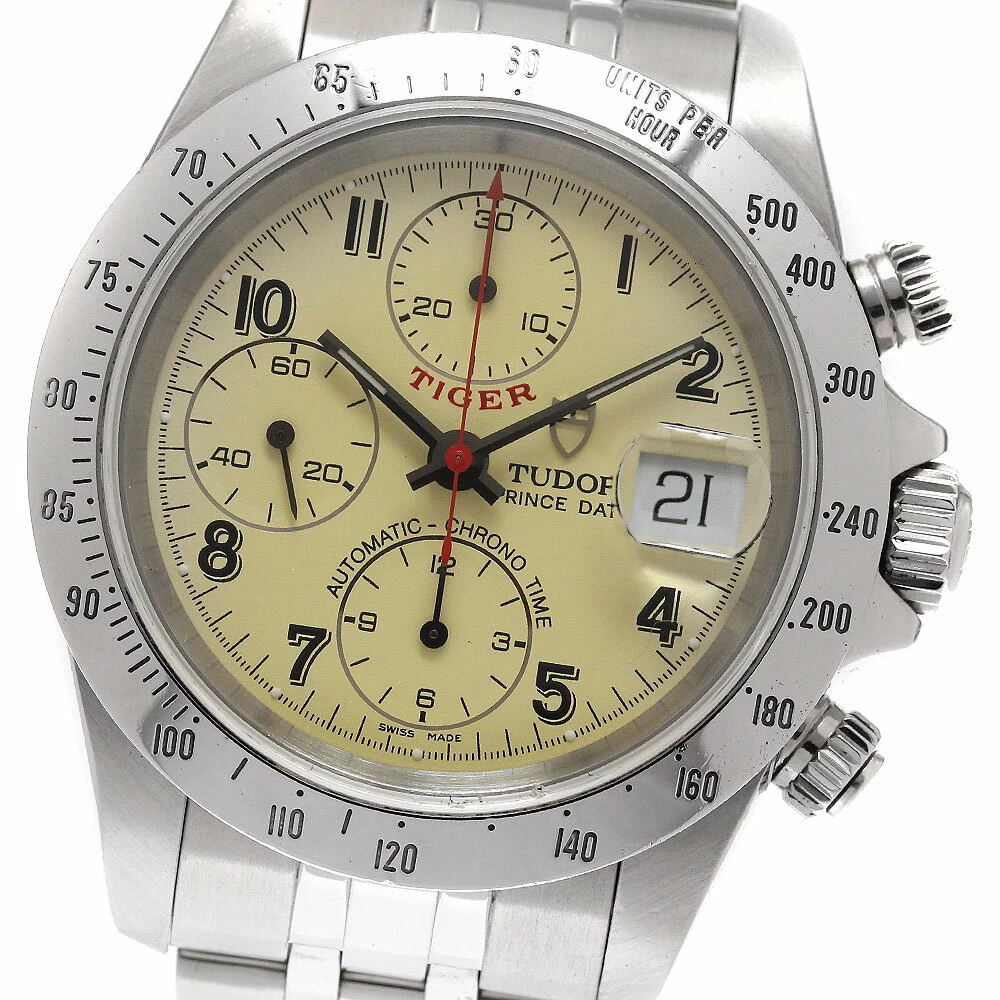
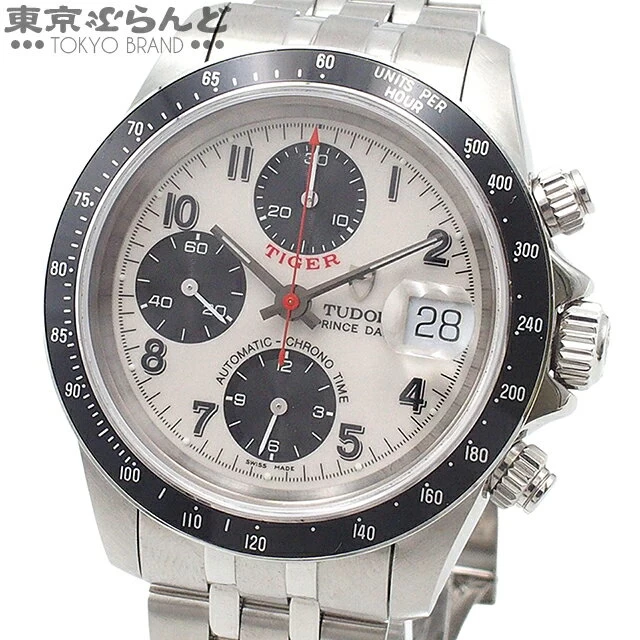
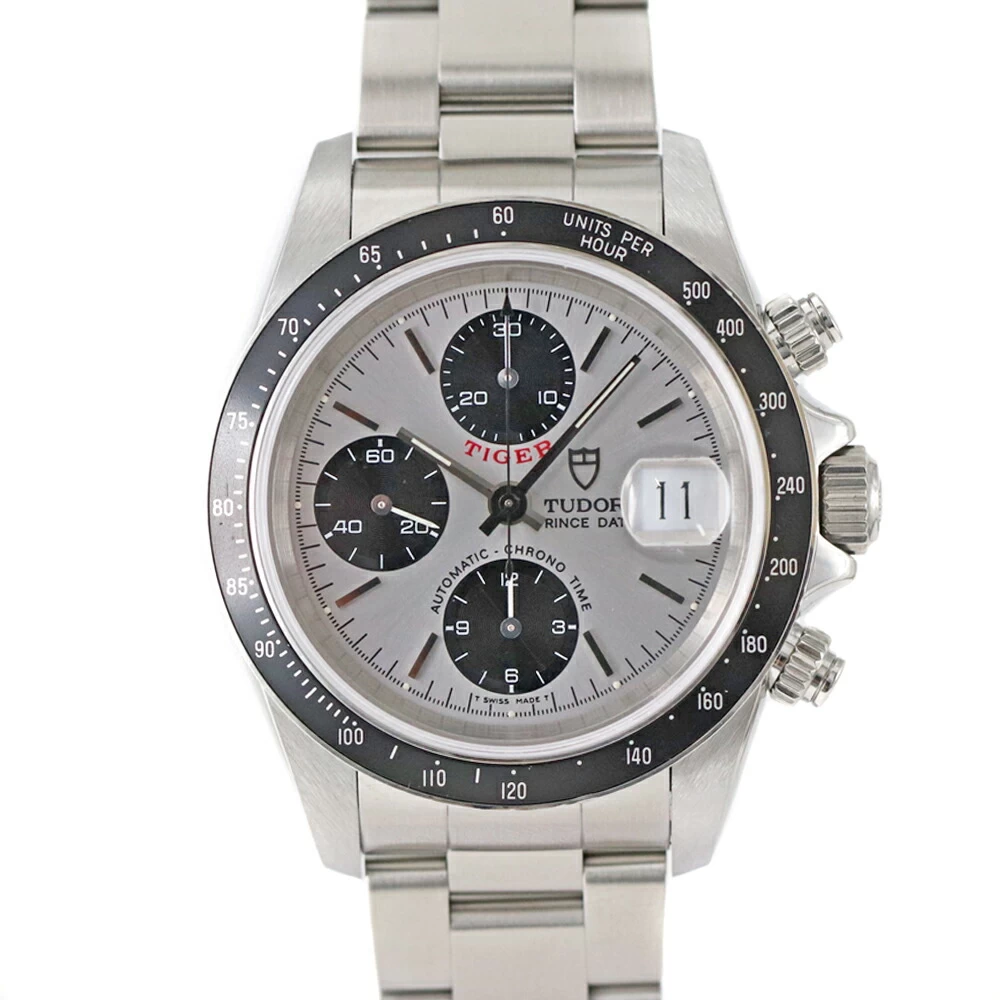
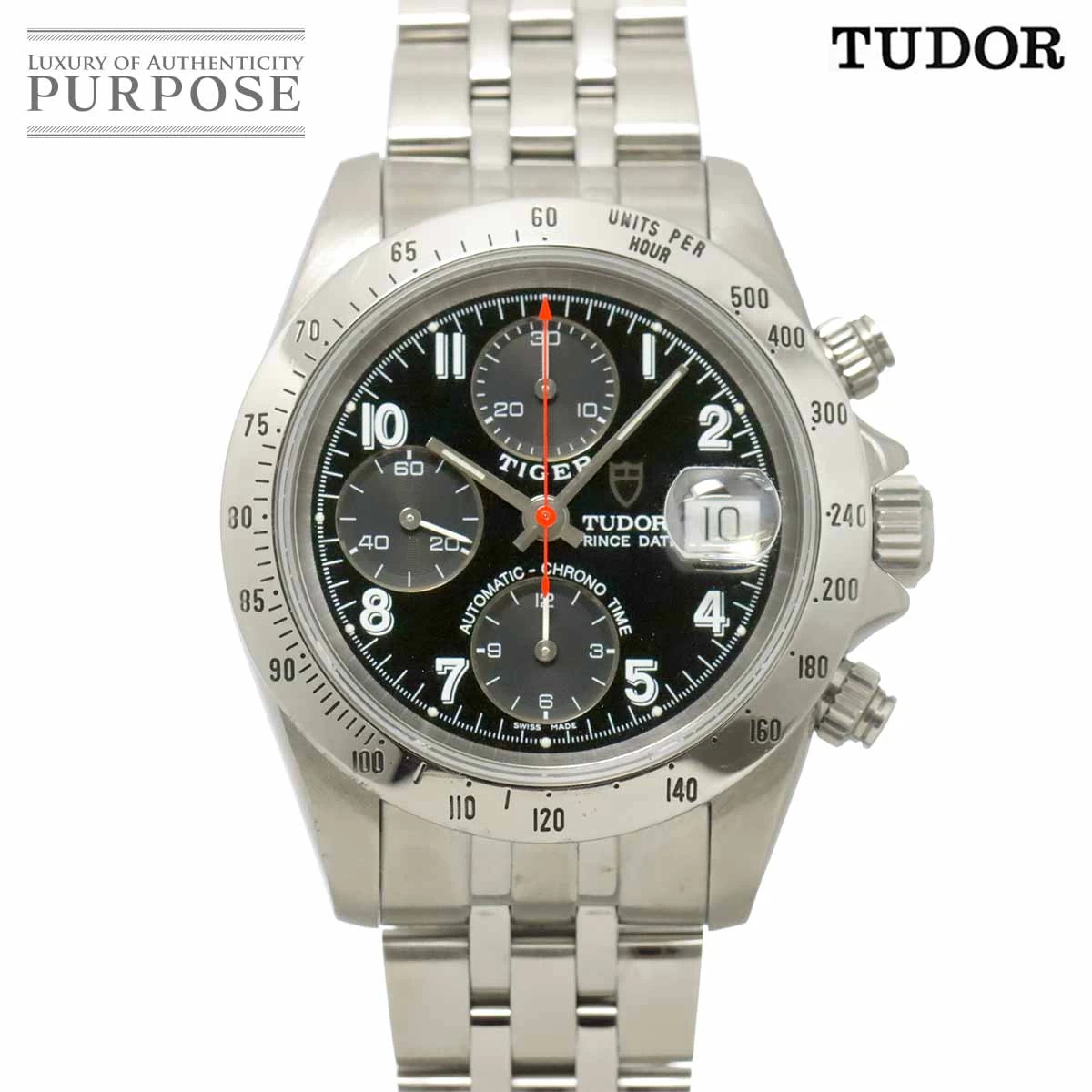
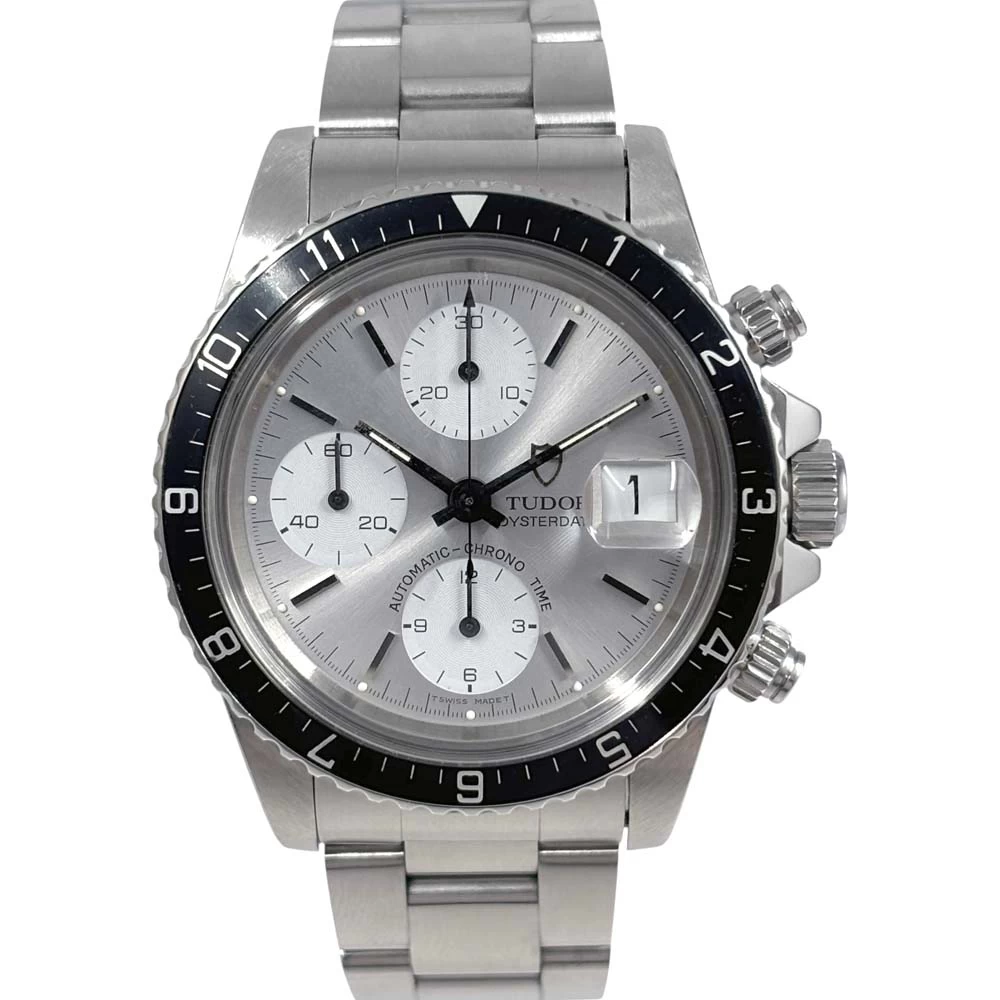
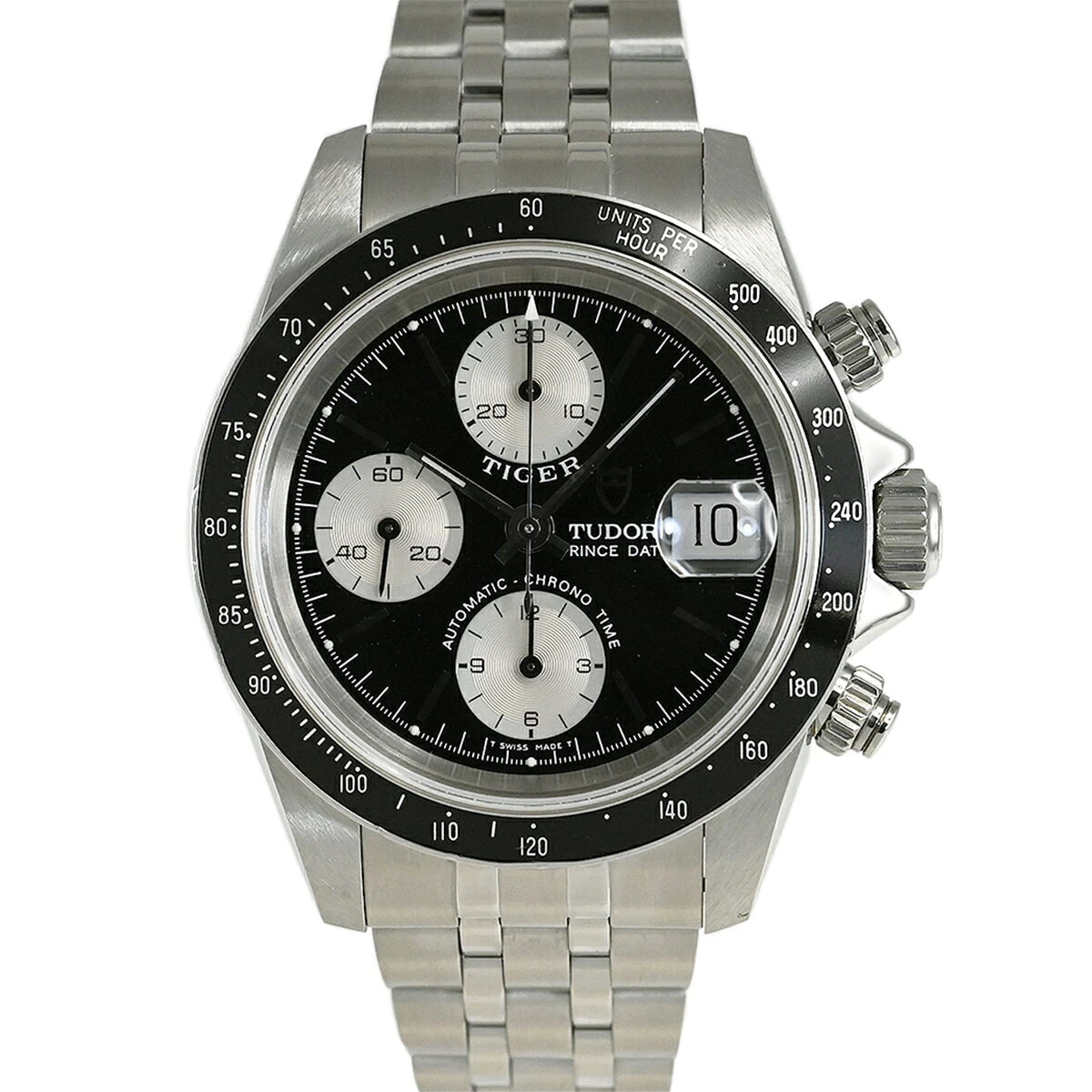
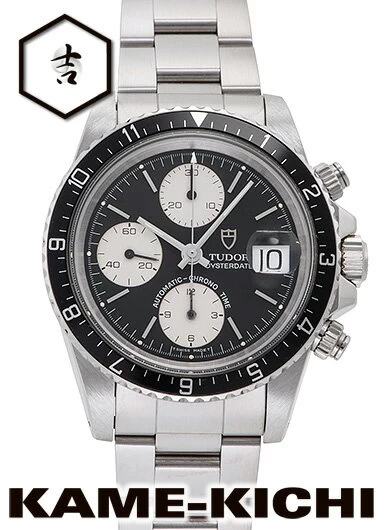
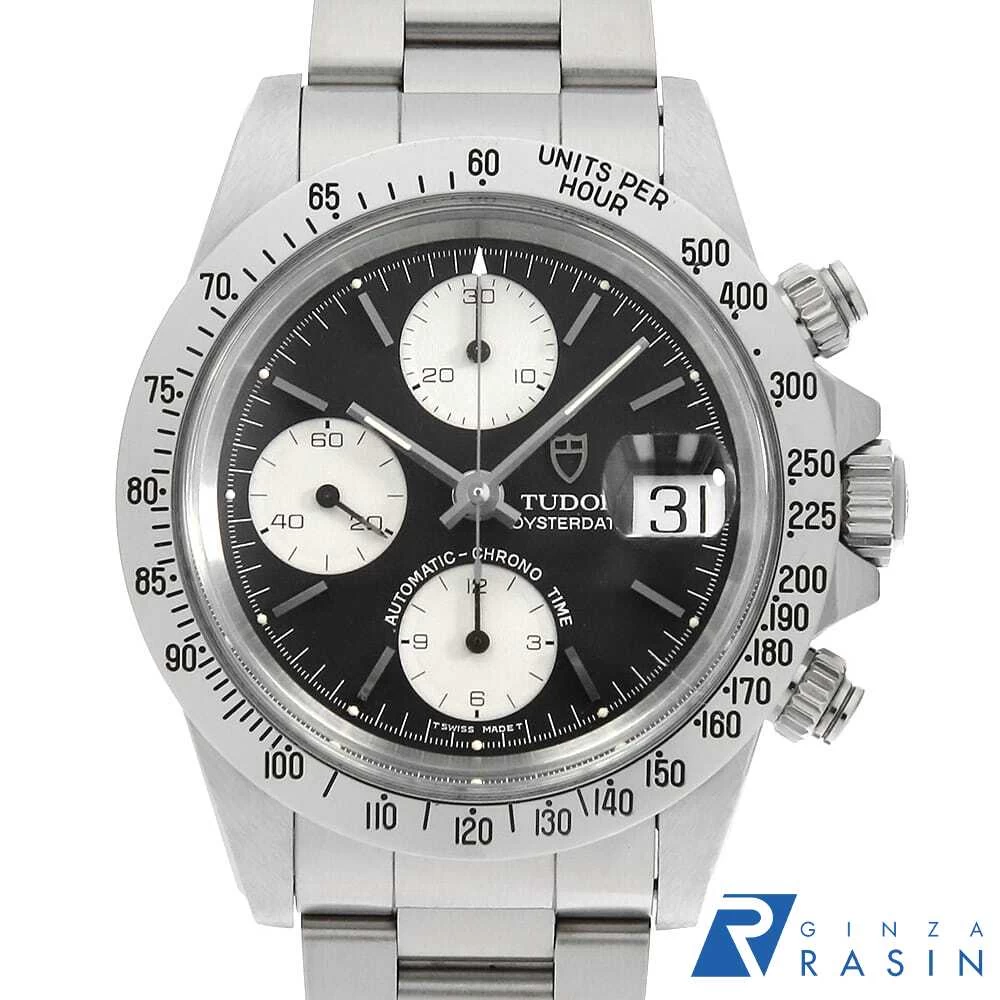
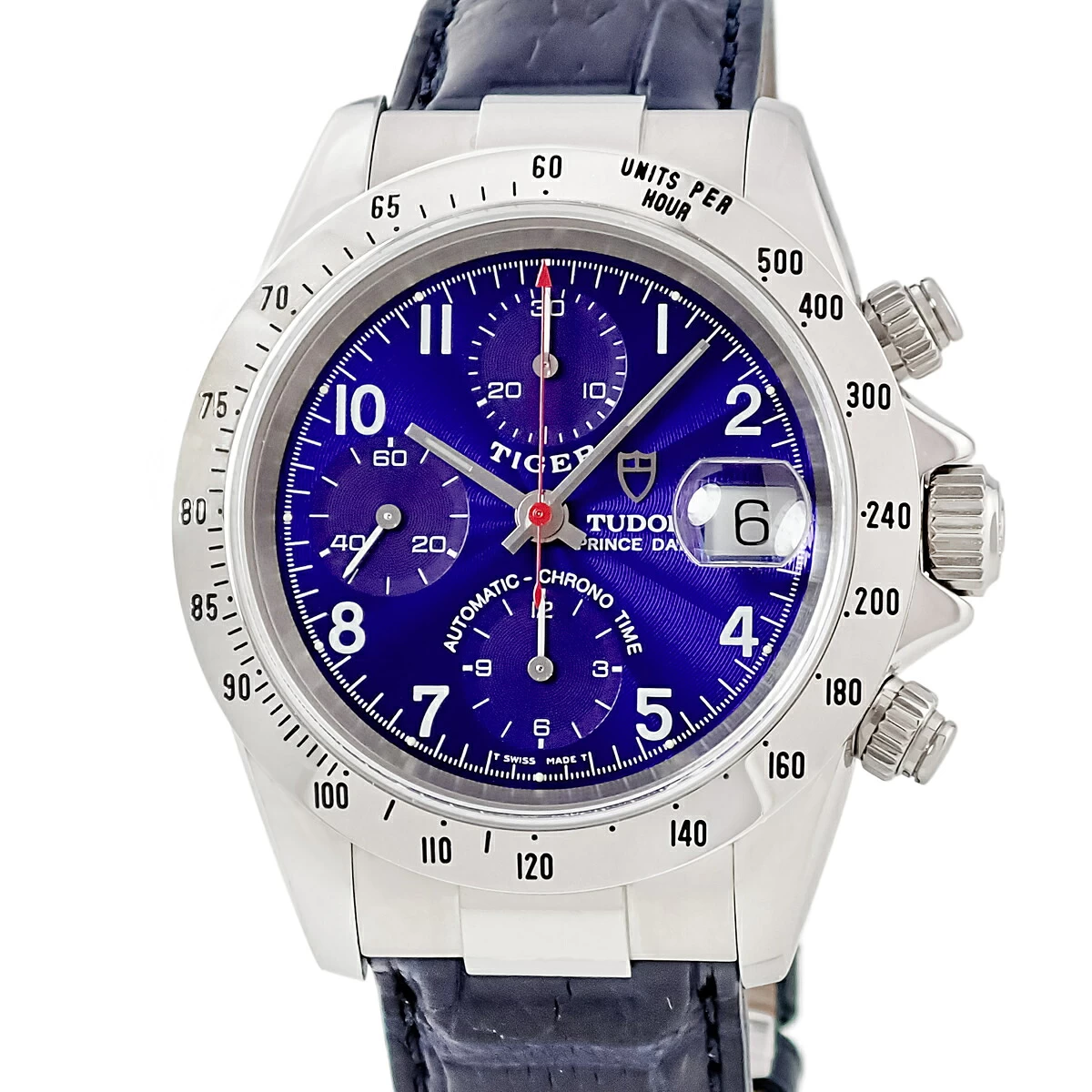
The soul of its design is universally defined by its massive, slab-sided case, affectionately known among collectors as the "Big Block" (and the "Kamaboko" case in Japan, after the thick, semi-cylindrical fish cake). To accommodate the thick rotor of the automatic movement, the early and mid-era Chronotimes (up to the 79100 series) featured cases with unusually tall, flat, vertical sides. This unapologetically chunky and muscular silhouette provides a raw, industrial aesthetic that modern, streamlined cases simply cannot replicate. (Later iterations, like the 79200 series, transitioned to a more rounded, Daytona-esque profile).
Technically, the Chronotime is built like a tank. At its heart beats the legendary Valjoux 7750, a true workhorse automatic chronograph movement renowned for its immense durability, strong torque, and ease of service. Unlike the Daytona, the Chronotime featured a date complication with a cyclops lens, making it an incredibly useful daily wearer. Early references proudly bore Rolex-signed crowns, pushers, and casebacks, serving as a stamp of absolute uncompromising quality and ruggedness.
The wearing experience is dominated by its commanding physical presence. The "Big Block" does not slip quietly under a dress shirt cuff; it sits proudly on the wrist with a substantial, reassuring weight. It is a watch that feels like a solid block of machinery. When paired with highly desirable dial configurations like the "Panda" (white dial with black sub-dials) or "Reverse Panda," the watch strikes a brilliant balance between classic motorsport elegance and unapologetic, heavy-duty engineering.
To wear a TUDOR Chronotime is to celebrate the bold, independent spirit of the brand. It is a timepiece for the enthusiast who values historical milestones and the raw, unrefined charm of 1970s and 80s watch design. Hefty, functional, and historically significant, the Big Block remains the ultimate vintage chronograph for those who appreciate a watch that prioritizes mechanical presence over sleek subtlety.
The soul of its design is universally defined by its massive, slab-sided case, affectionately known among collectors as the "Big Block" (and the "Kamaboko" case in Japan, after the thick, semi-cylindrical fish cake). To accommodate the thick rotor of the automatic movement, the early and mid-era Chronotimes (up to the 79100 series) featured cases with unusually tall, flat, vertical sides. This unapologetically chunky and muscular silhouette provides a raw, industrial aesthetic that modern, streamlined cases simply cannot replicate. (Later iterations, like the 79200 series, transitioned to a more rounded, Daytona-esque profile).
Technically, the Chronotime is built like a tank. At its heart beats the legendary Valjoux 7750, a true workhorse automatic chronograph movement renowned for its immense durability, strong torque, and ease of service. Unlike the Daytona, the Chronotime featured a date complication with a cyclops lens, making it an incredibly useful daily wearer. Early references proudly bore Rolex-signed crowns, pushers, and casebacks, serving as a stamp of absolute uncompromising quality and ruggedness.
The wearing experience is dominated by its commanding physical presence. The "Big Block" does not slip quietly under a dress shirt cuff; it sits proudly on the wrist with a substantial, reassuring weight. It is a watch that feels like a solid block of machinery. When paired with highly desirable dial configurations like the "Panda" (white dial with black sub-dials) or "Reverse Panda," the watch strikes a brilliant balance between classic motorsport elegance and unapologetic, heavy-duty engineering.
To wear a TUDOR Chronotime is to celebrate the bold, independent spirit of the brand. It is a timepiece for the enthusiast who values historical milestones and the raw, unrefined charm of 1970s and 80s watch design. Hefty, functional, and historically significant, the Big Block remains the ultimate vintage chronograph for those who appreciate a watch that prioritizes mechanical presence over sleek subtlety.
Tudor Chronotime: The Architectural Masterpiece of Chronograph Engineering and Its Strategic Scarcity in Japan
The Tudor Chronotime represents a pivotal moment in the evolution of high-performance sports watches. Famously nicknamed the "Big Block" due to its thick, architectural case designed to house the automatic Valjoux 7750 movement, the Chronotime is a titan of 20th-century horology. In the Japanese secondary market, it is a high-velocity investment-grade asset, prized for being the first automatic chronograph from the Tudor/Rolex family—predating even the automatic Rolex Daytona. As a discontinued model that shares the rugged Oyster DNA, the Chronotime is a premier choice for collectors seeking capital appreciation through a watch that balances vintage charm with modern durability.
Market Dynamics: The Three Generations of Chronotime Value
The trade for the Chronotime in Japan is defined by a clear hierarchy based on case geometry and dial configuration.
Key drivers in the current trade include:
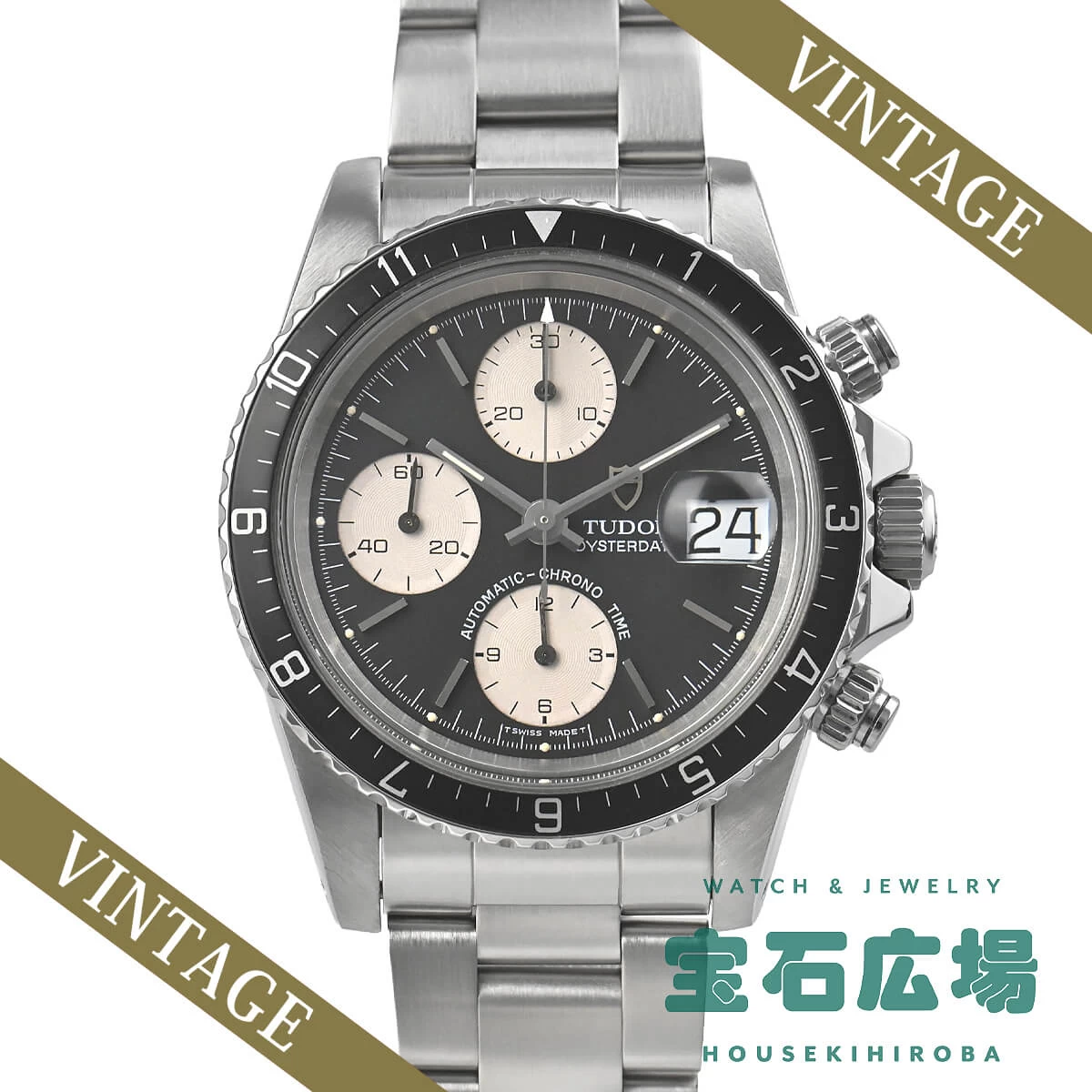
The "Big Block" Era (Ref. 94xx / 791xx): These references are the "blue-chips" of the lineage. Known for their "flat-top" thick cases (Kamaboko), these models feature a commanding wrist presence. In Japan, early versions with the "Exotic" dials or the classic "Panda" layouts are highly liquid, often trading as elite-tier assets due to their historical proximity to Rolex engineering.
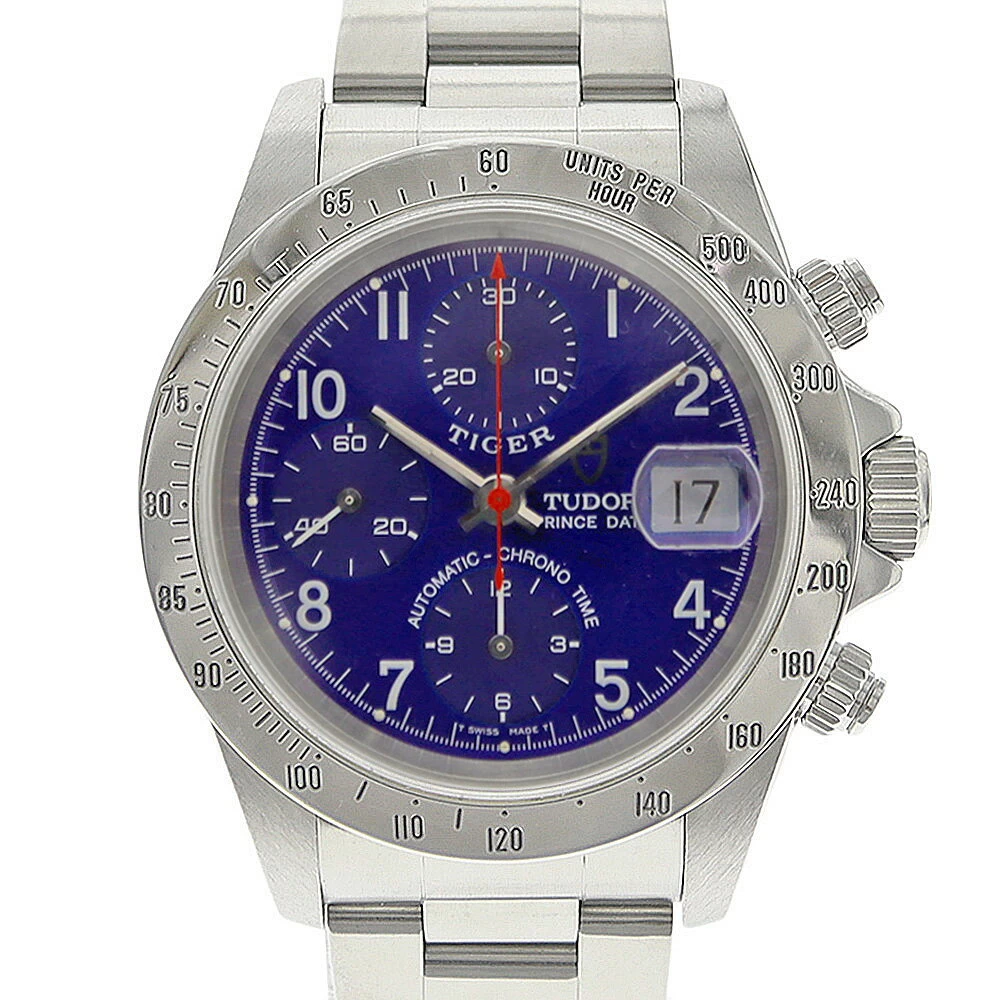
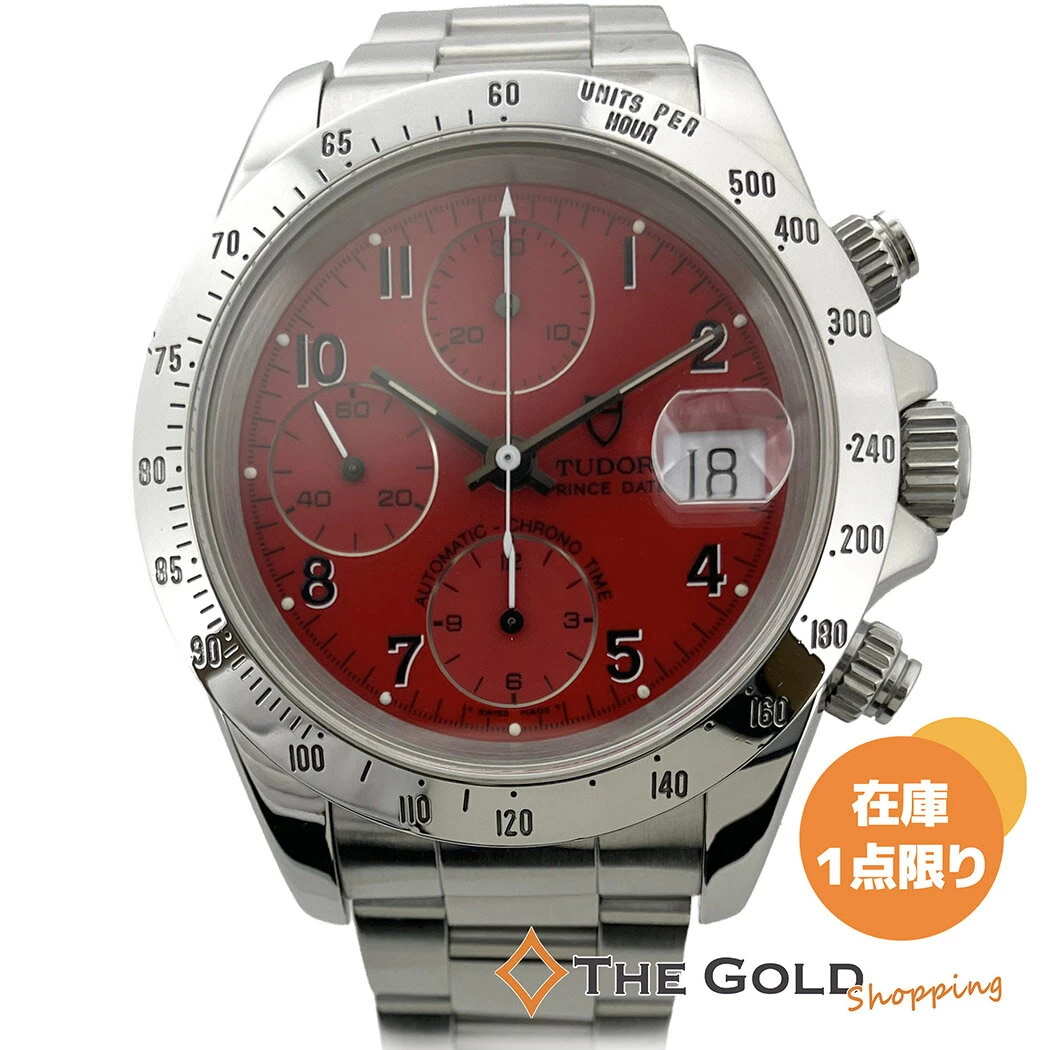
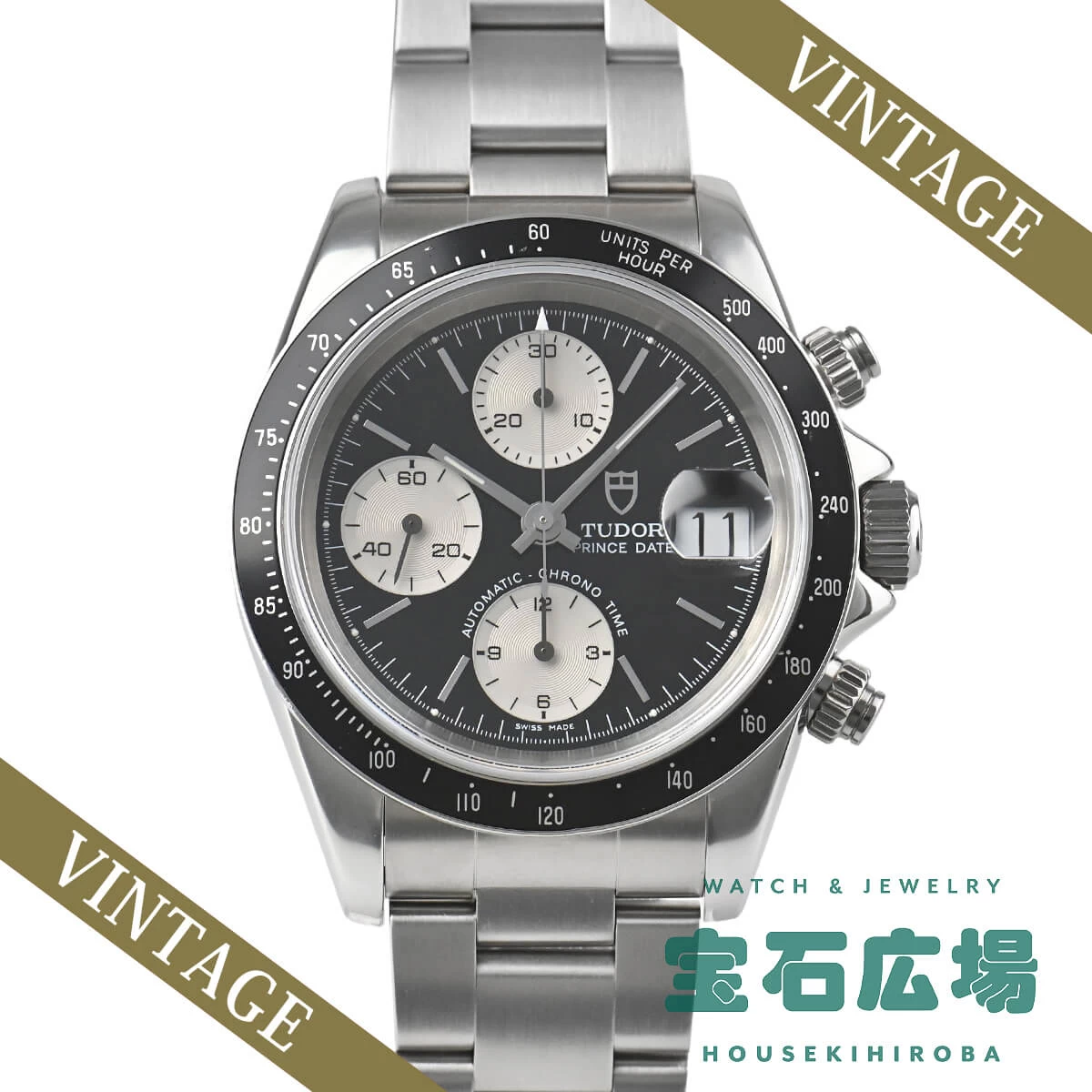
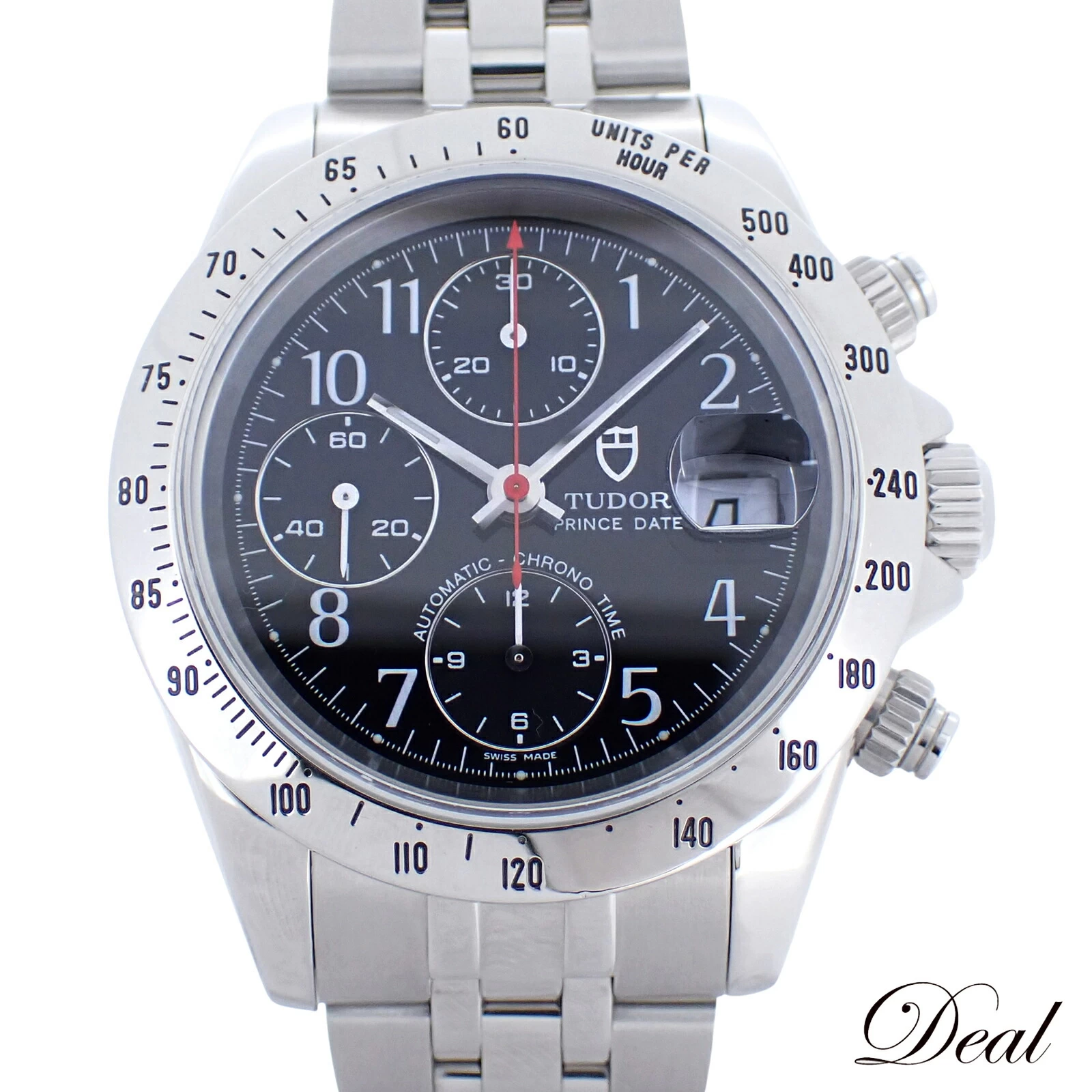
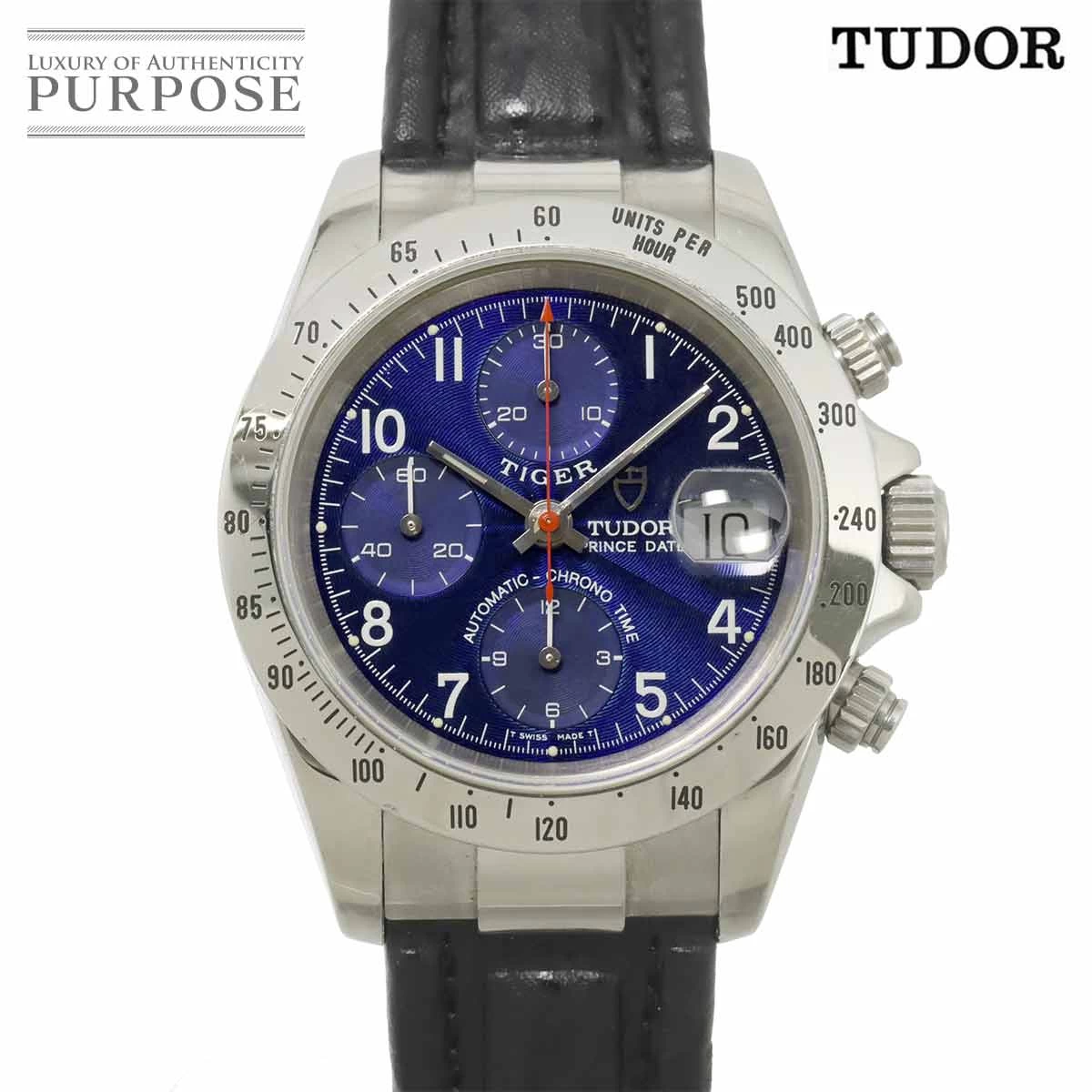
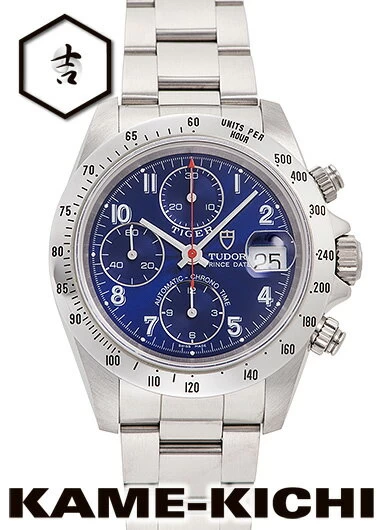
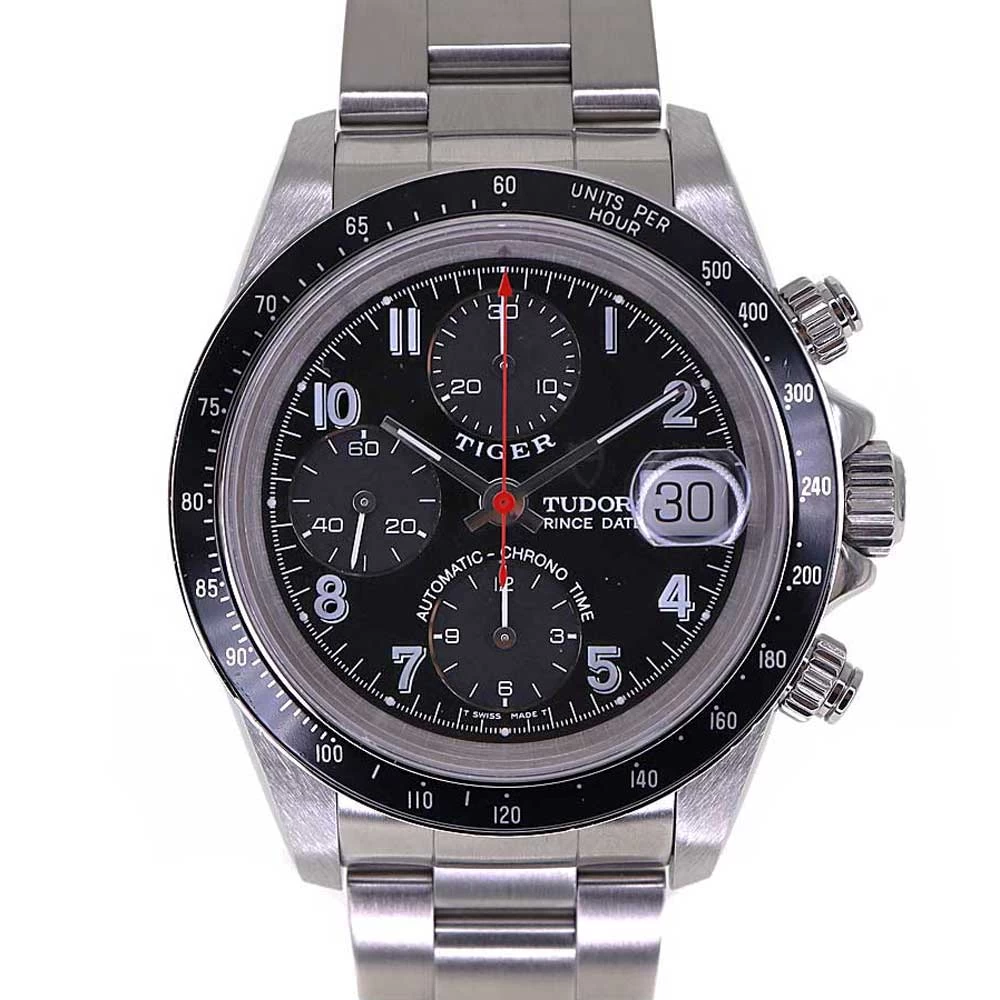
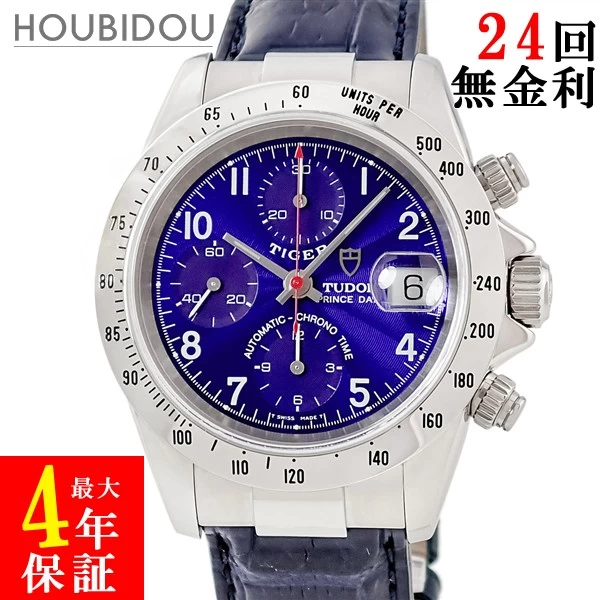
The Ref. 792xx Series (Post-Big Block): Characterized by a more rounded, streamlined case, this generation marks the transition into modern luxury. These models are valued as a stable entry point, particularly the versions with the "TUDOR PRINCE" dial and sapphire crystals, offering high-performance utility for daily-wear investors.
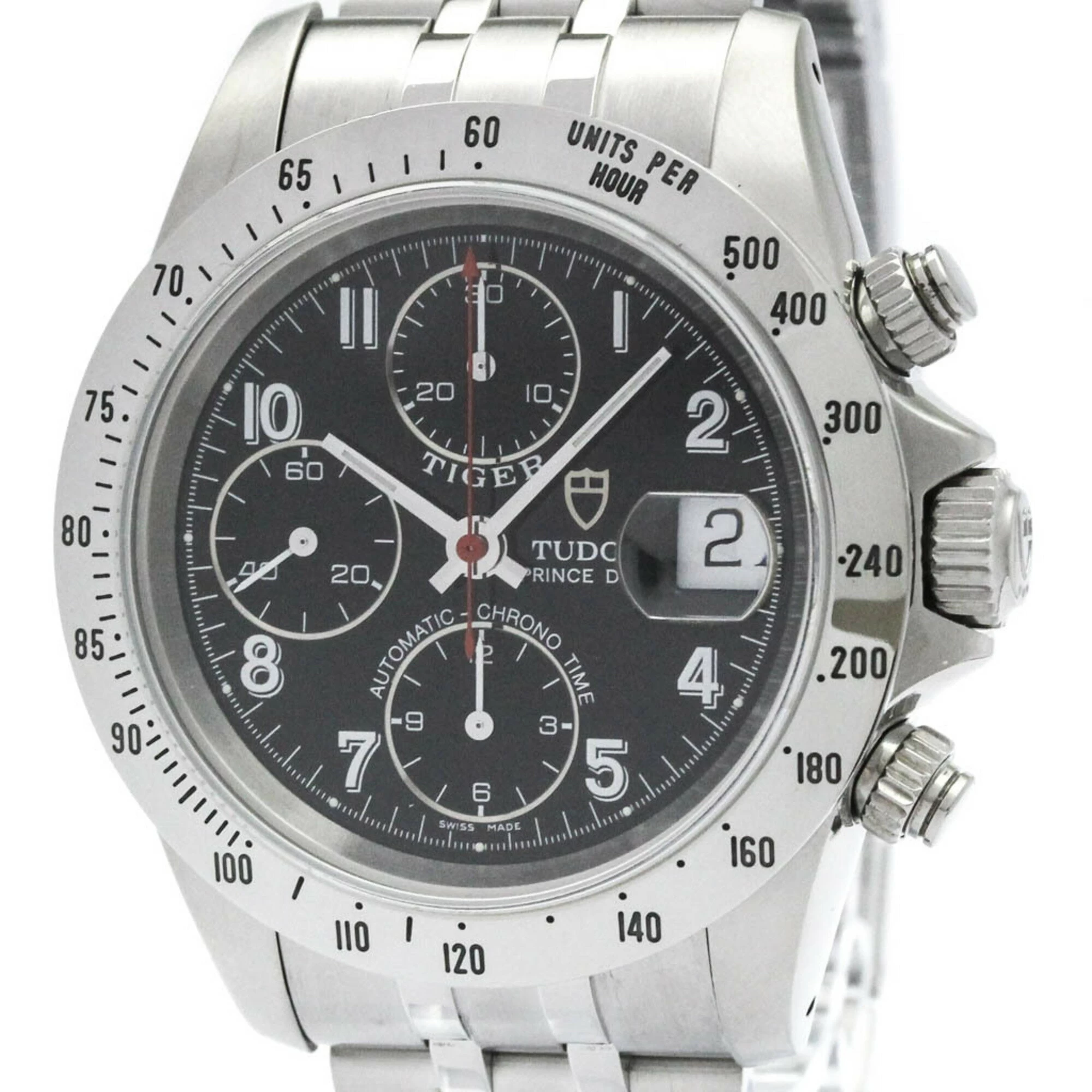
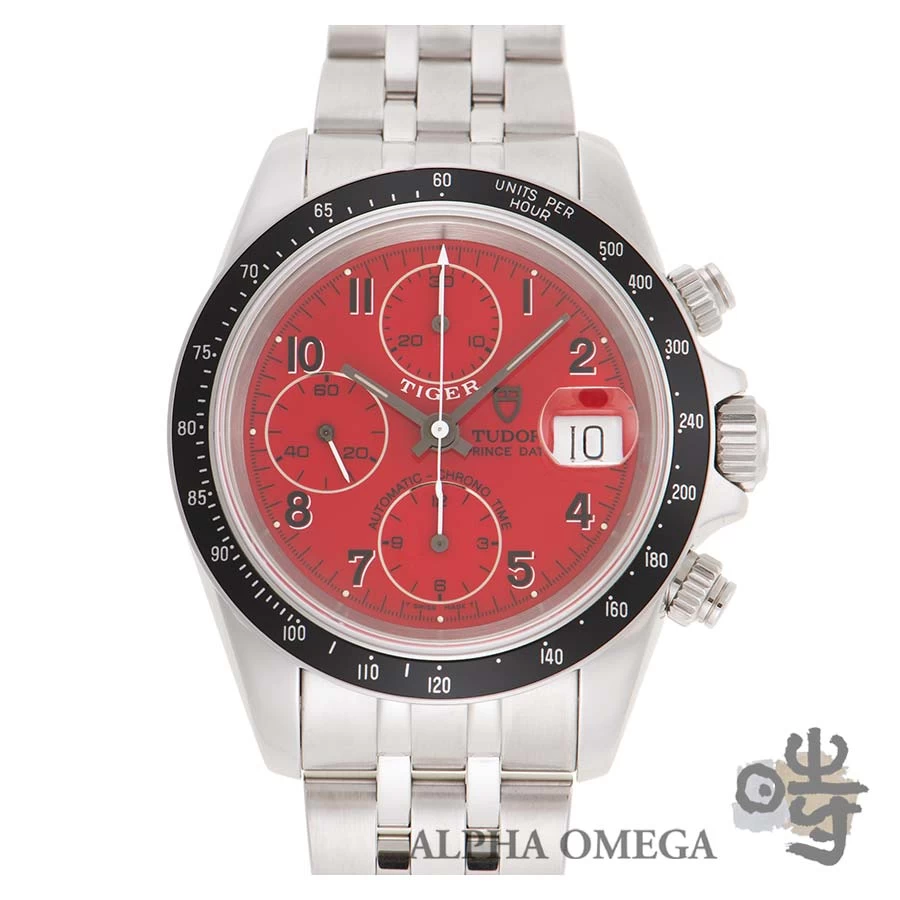
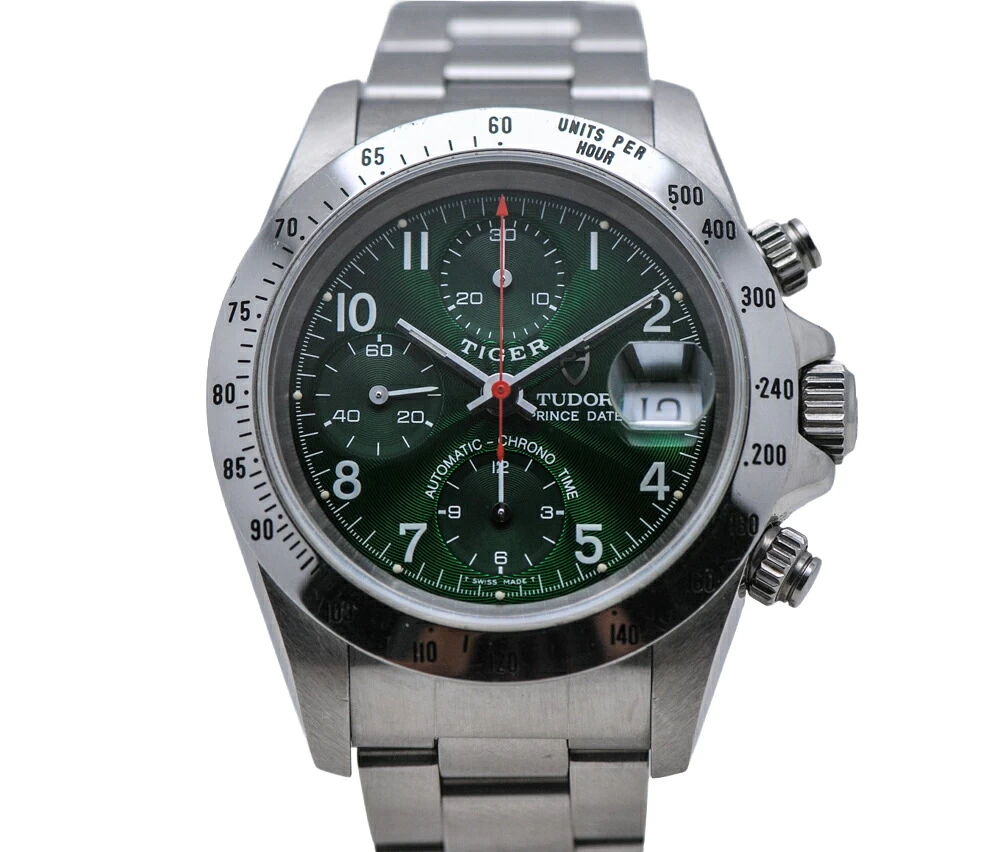
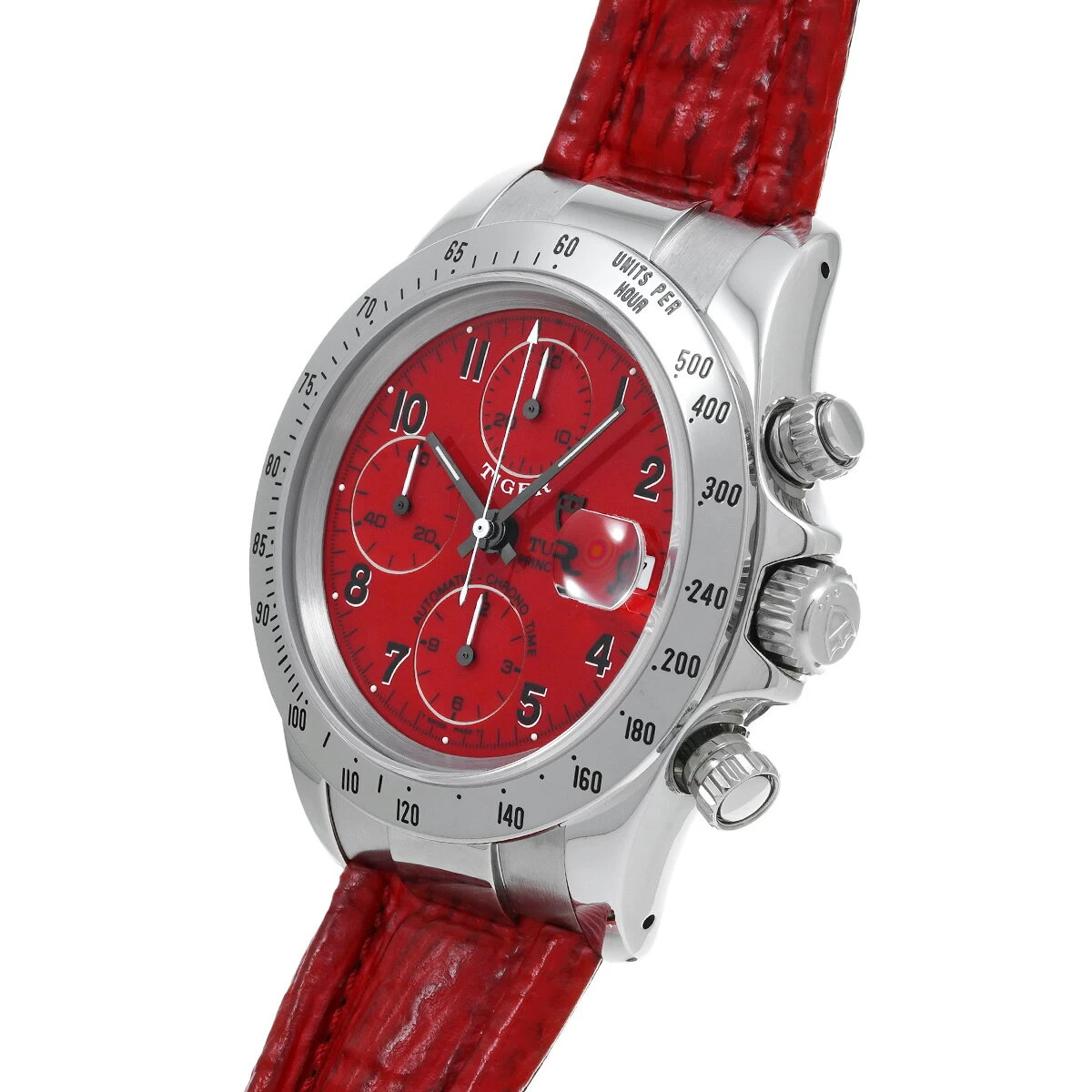
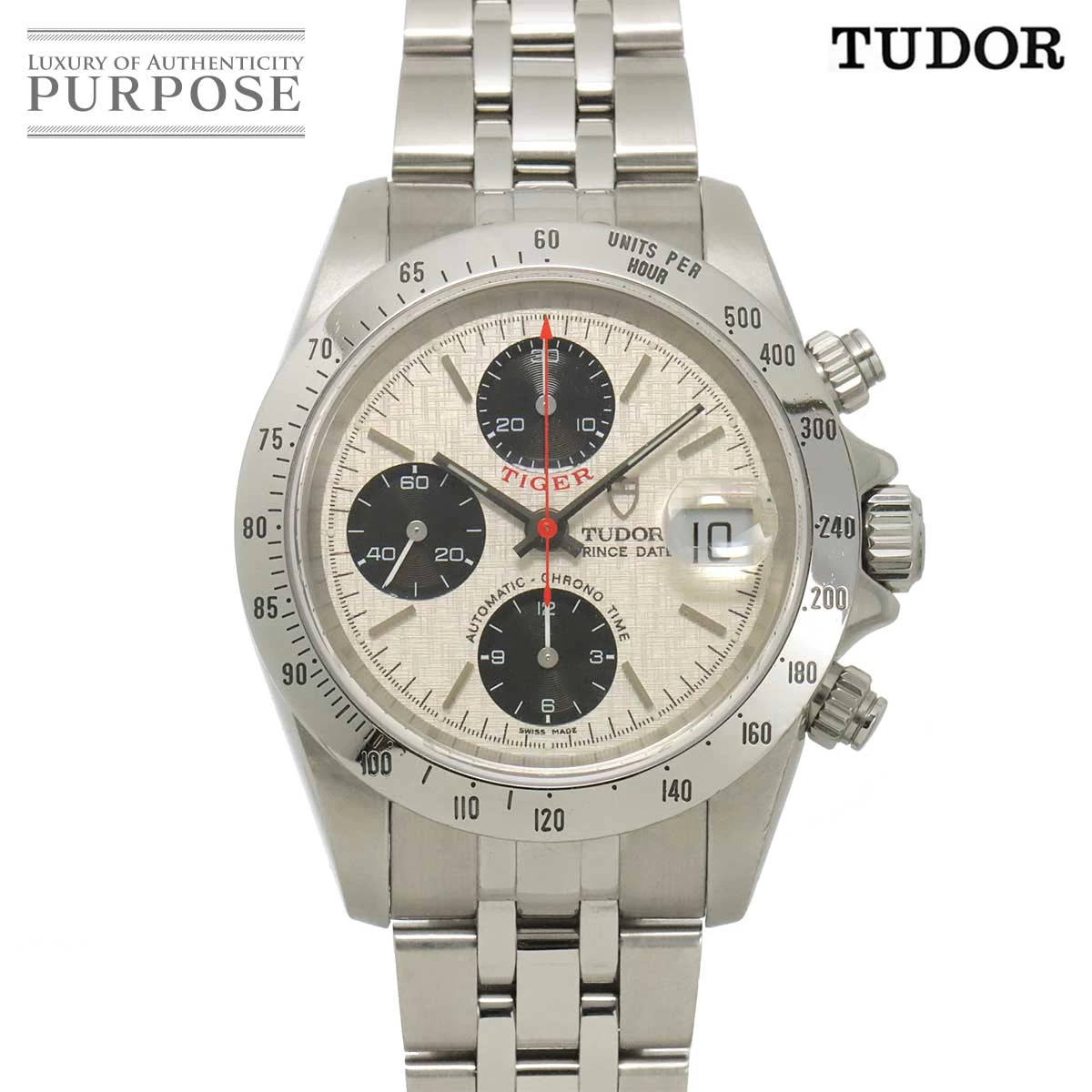
The "Tiger" Woods Editions: Chronotime models associated with the legendary golfer occupy a specific niche. Once overlooked, these references have seen a surge in interest in the Japanese secondary sector as "undervalued classics," providing a tactical opportunity for those seeking high-potential assets at a competitive entry price.
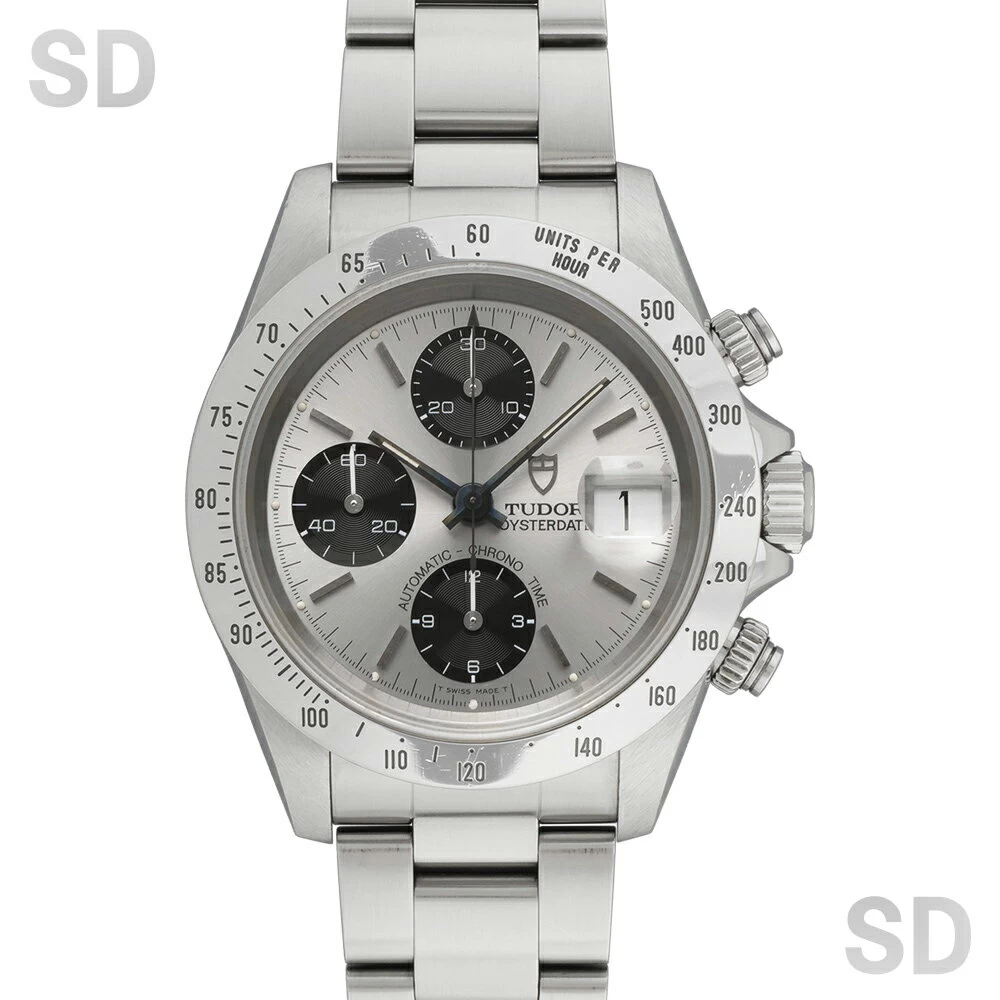
Bezel Variations (Steel, Aluminum, Rotating): The choice between the fixed tachymeter and the rotating 12-hour bezel creates distinct sub-markets. In Japan, the steel tachymeter bezels are particularly prized for their "Daytona-esque" aesthetic, driving consistent global demand.
Strategic Advantage: The "Japan-Standard" for "Big Block" Integrity
Sourcing a Tudor Chronotime from the Japanese secondary market offers specific tactical benefits regarding its physical preservation and architectural honesty.
Superior Preservation of "Kamaboko" Case Edges: The value of a "Big Block" is heavily tied to the sharpness of its massive case. Japanese inventory is world-renowned for its pristine condition, with dealers prioritizing examples that retain their factory-original, unpolished bevels and brushed surfaces.
Verification of Rolex-Signed Components: Early Chronotime references (Ref. 94xx and 791xx) feature Rolex crowns and case backs. Japanese dealers conduct rigorous inspections to ensure these components are period-correct, maintaining the watch’s status as a "cross-over" masterpiece between the two brands.
Movement Health and Chronograph Precision: The Valjoux 7750 is a workhorse, but requires expert servicing for its complex chronograph functions. Japanese specialists ensure that the start/stop/reset actions are crisp and that the movement operates at factory-level accuracy, providing a secure foundation for the secondary trade.
Strategic Market Outlook
The Tudor Chronotime is a "strategic safe-haven" for liquid luxury. Its status as the "Automatic Pioneer" of the Rolex group ensures a constant upward trend in trade valuation as it transitions from a used watch into a coveted vintage icon. For those seeking a timepiece that balances bold architectural design with absolute financial defensibility, the Japanese secondary market provides the most transparent and high-quality access to the Chronotime legacy.
Market Dynamics: The Three Generations of Chronotime Value
The trade for the Chronotime in Japan is defined by a clear hierarchy based on case geometry and dial configuration.
Key drivers in the current trade include:
The "Big Block" Era (Ref. 94xx / 791xx): These references are the "blue-chips" of the lineage. Known for their "flat-top" thick cases (Kamaboko), these models feature a commanding wrist presence. In Japan, early versions with the "Exotic" dials or the classic "Panda" layouts are highly liquid, often trading as elite-tier assets due to their historical proximity to Rolex engineering.
The Ref. 792xx Series (Post-Big Block): Characterized by a more rounded, streamlined case, this generation marks the transition into modern luxury. These models are valued as a stable entry point, particularly the versions with the "TUDOR PRINCE" dial and sapphire crystals, offering high-performance utility for daily-wear investors.
The "Tiger" Woods Editions: Chronotime models associated with the legendary golfer occupy a specific niche. Once overlooked, these references have seen a surge in interest in the Japanese secondary sector as "undervalued classics," providing a tactical opportunity for those seeking high-potential assets at a competitive entry price.
Bezel Variations (Steel, Aluminum, Rotating): The choice between the fixed tachymeter and the rotating 12-hour bezel creates distinct sub-markets. In Japan, the steel tachymeter bezels are particularly prized for their "Daytona-esque" aesthetic, driving consistent global demand.
Strategic Advantage: The "Japan-Standard" for "Big Block" Integrity
Sourcing a Tudor Chronotime from the Japanese secondary market offers specific tactical benefits regarding its physical preservation and architectural honesty.
Superior Preservation of "Kamaboko" Case Edges: The value of a "Big Block" is heavily tied to the sharpness of its massive case. Japanese inventory is world-renowned for its pristine condition, with dealers prioritizing examples that retain their factory-original, unpolished bevels and brushed surfaces.
Verification of Rolex-Signed Components: Early Chronotime references (Ref. 94xx and 791xx) feature Rolex crowns and case backs. Japanese dealers conduct rigorous inspections to ensure these components are period-correct, maintaining the watch’s status as a "cross-over" masterpiece between the two brands.
Movement Health and Chronograph Precision: The Valjoux 7750 is a workhorse, but requires expert servicing for its complex chronograph functions. Japanese specialists ensure that the start/stop/reset actions are crisp and that the movement operates at factory-level accuracy, providing a secure foundation for the secondary trade.
Strategic Market Outlook
The Tudor Chronotime is a "strategic safe-haven" for liquid luxury. Its status as the "Automatic Pioneer" of the Rolex group ensures a constant upward trend in trade valuation as it transitions from a used watch into a coveted vintage icon. For those seeking a timepiece that balances bold architectural design with absolute financial defensibility, the Japanese secondary market provides the most transparent and high-quality access to the Chronotime legacy.
